Sticlariei Park

Bucharest has plenty of beautiful parks, but few look quite like Sticlăriei Park. Hidden in the eastern part of Romania's capital, this small green oasis has something that many of the city's larger and more famous parks lack: a genuinely wild atmosphere.

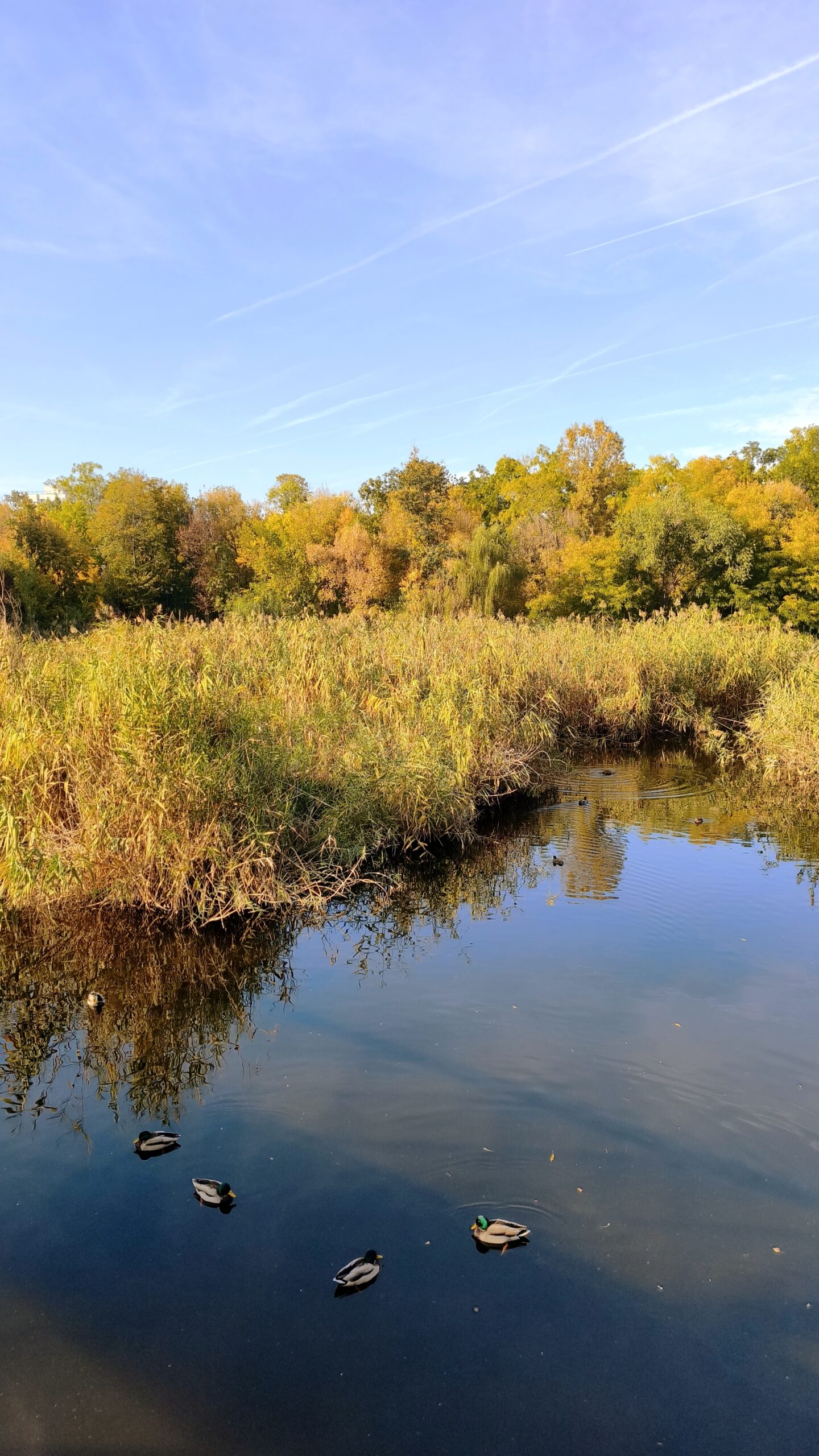
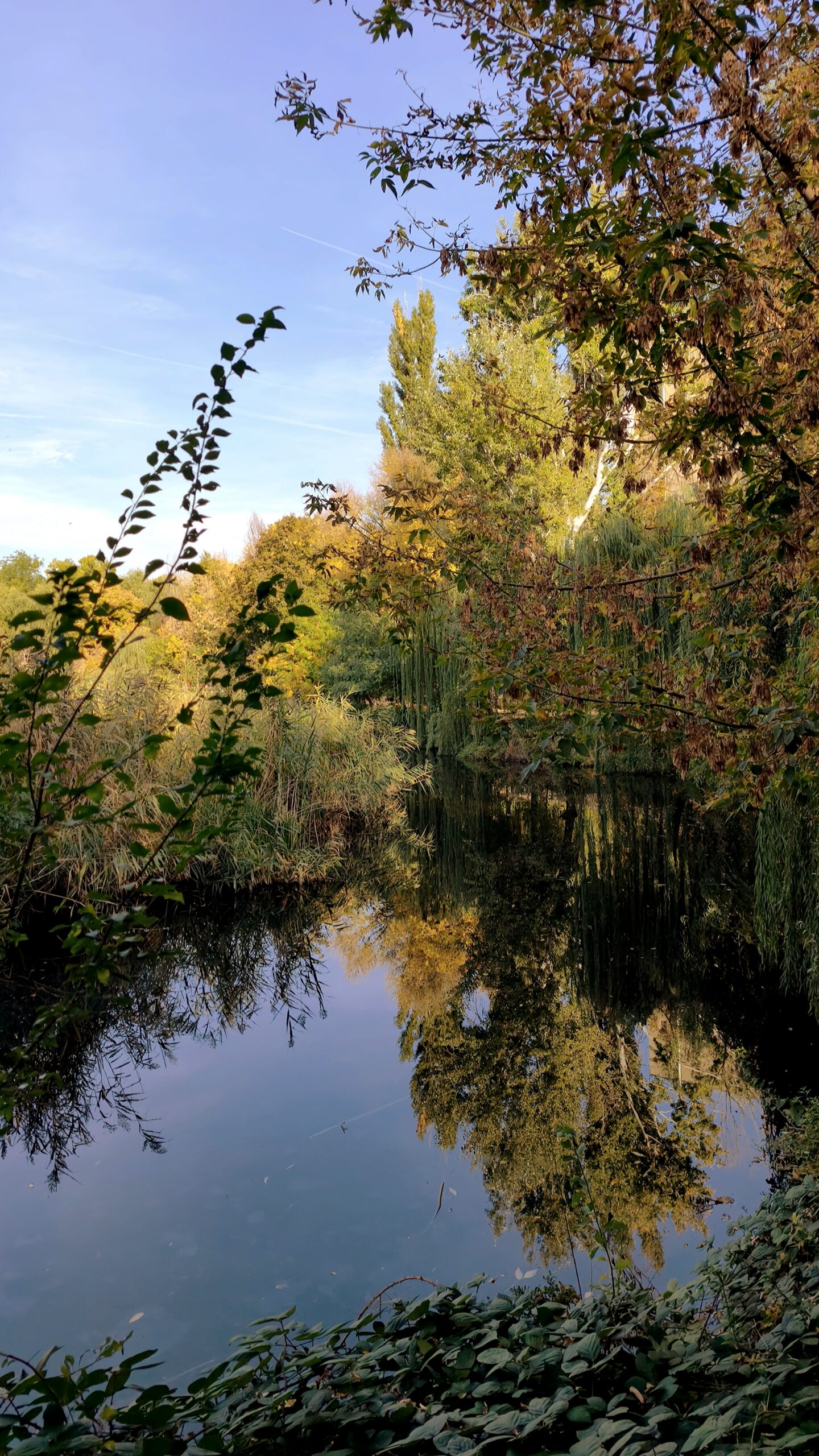
There are no perfectly manicured lawns, elaborate fountains or busy entertainment areas. Instead, visitors discover a peaceful lake, wooden bridges, winding paths, tall trees and birds going about their lives almost undisturbed by the surrounding city.

Often nicknamed Bucharest's second urban delta, Sticlăriei Park (Parcul Sticlăriei) is one of the capital's lesser-known natural attractions and an excellent destination for anyone interested in exploring a different side of Bucharest.
Sticlăriei Park – A Small Wilderness in the Middle of Bucharest

Located in Sector 2, near Nicolae Malaxa Hospital, Sticlăriei Park covers approximately five hectares. It may seem modest compared to some of the city's extensive green spaces, but its unusual landscape gives it a distinctive character.

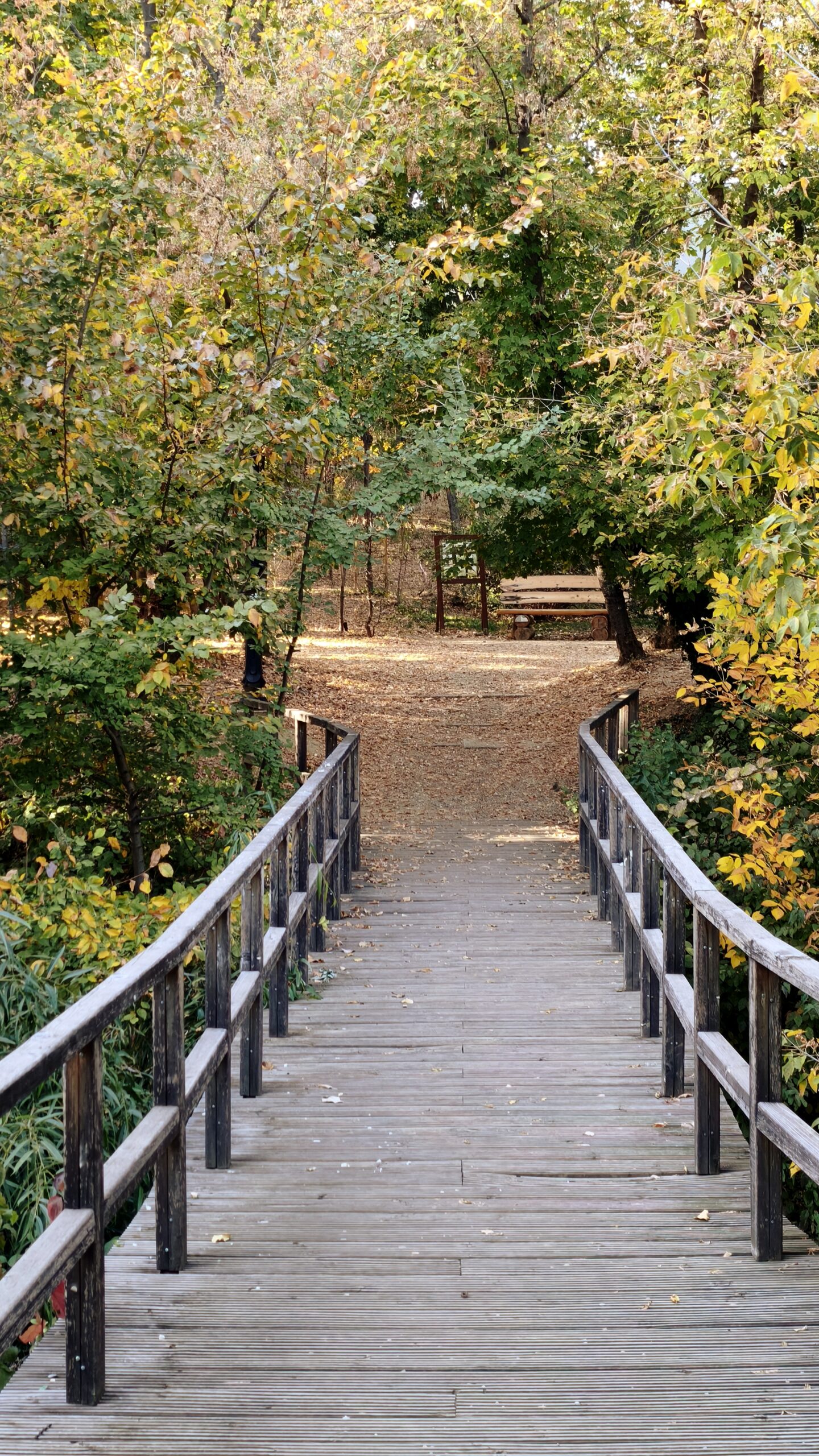
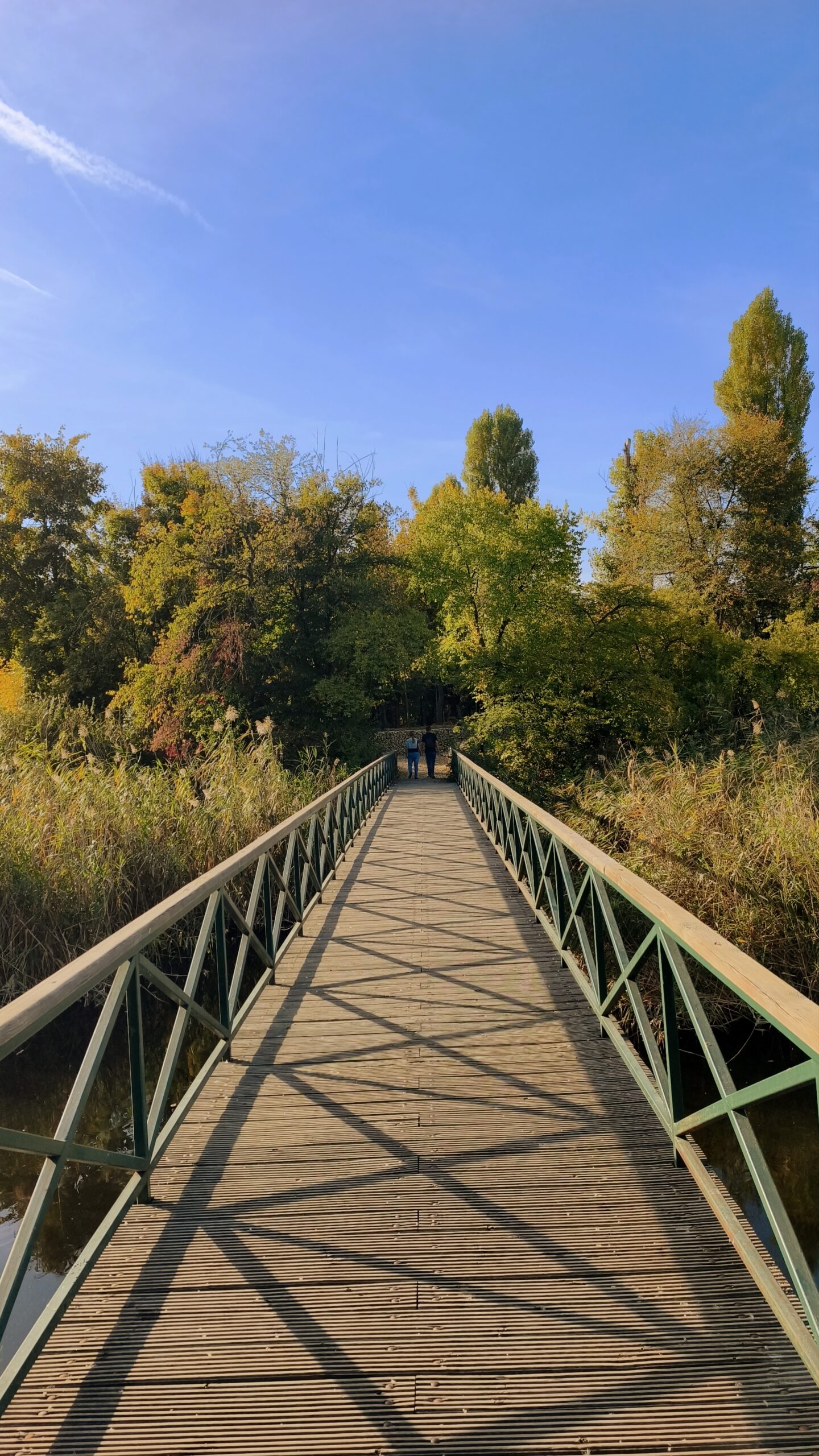
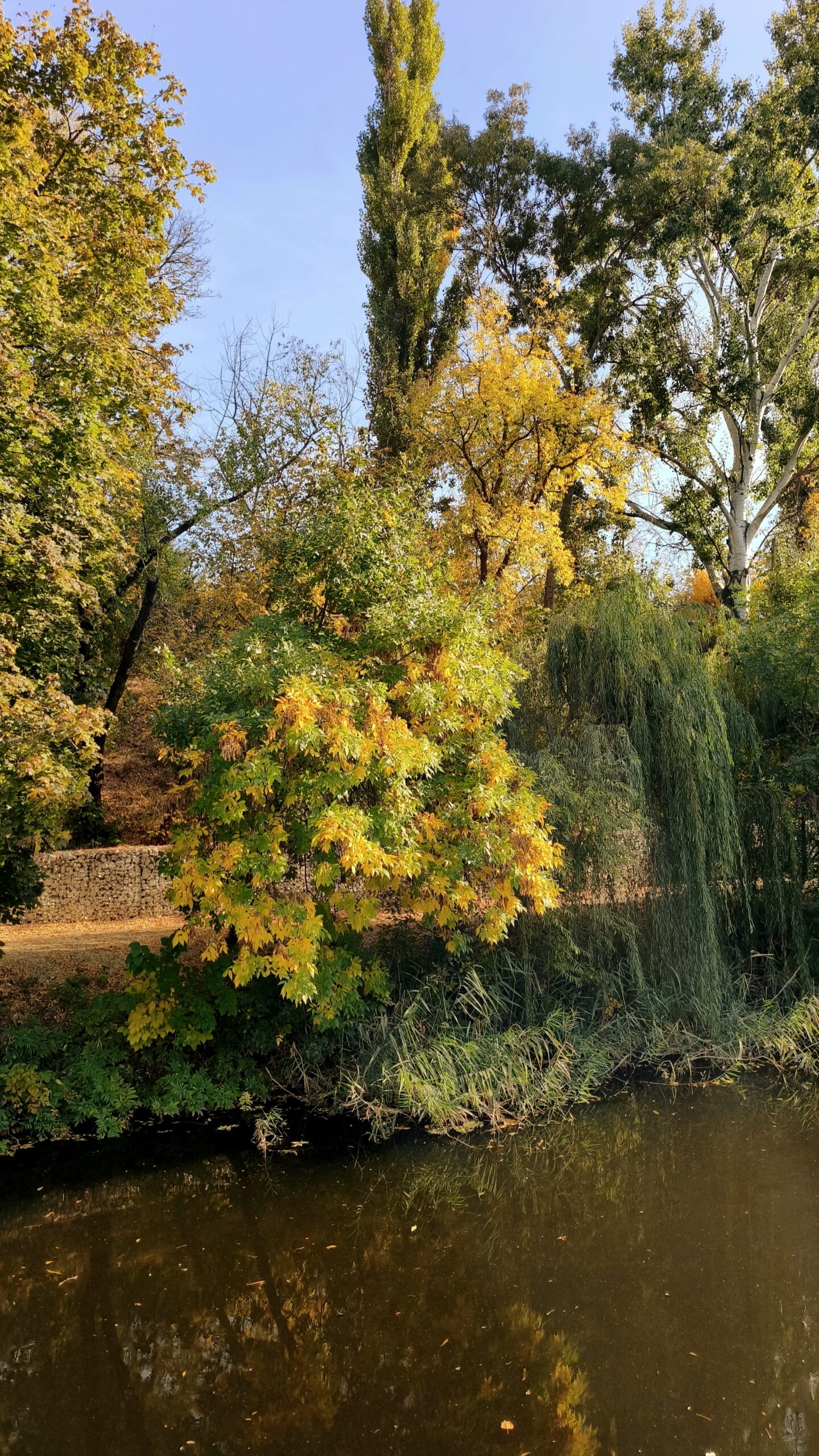
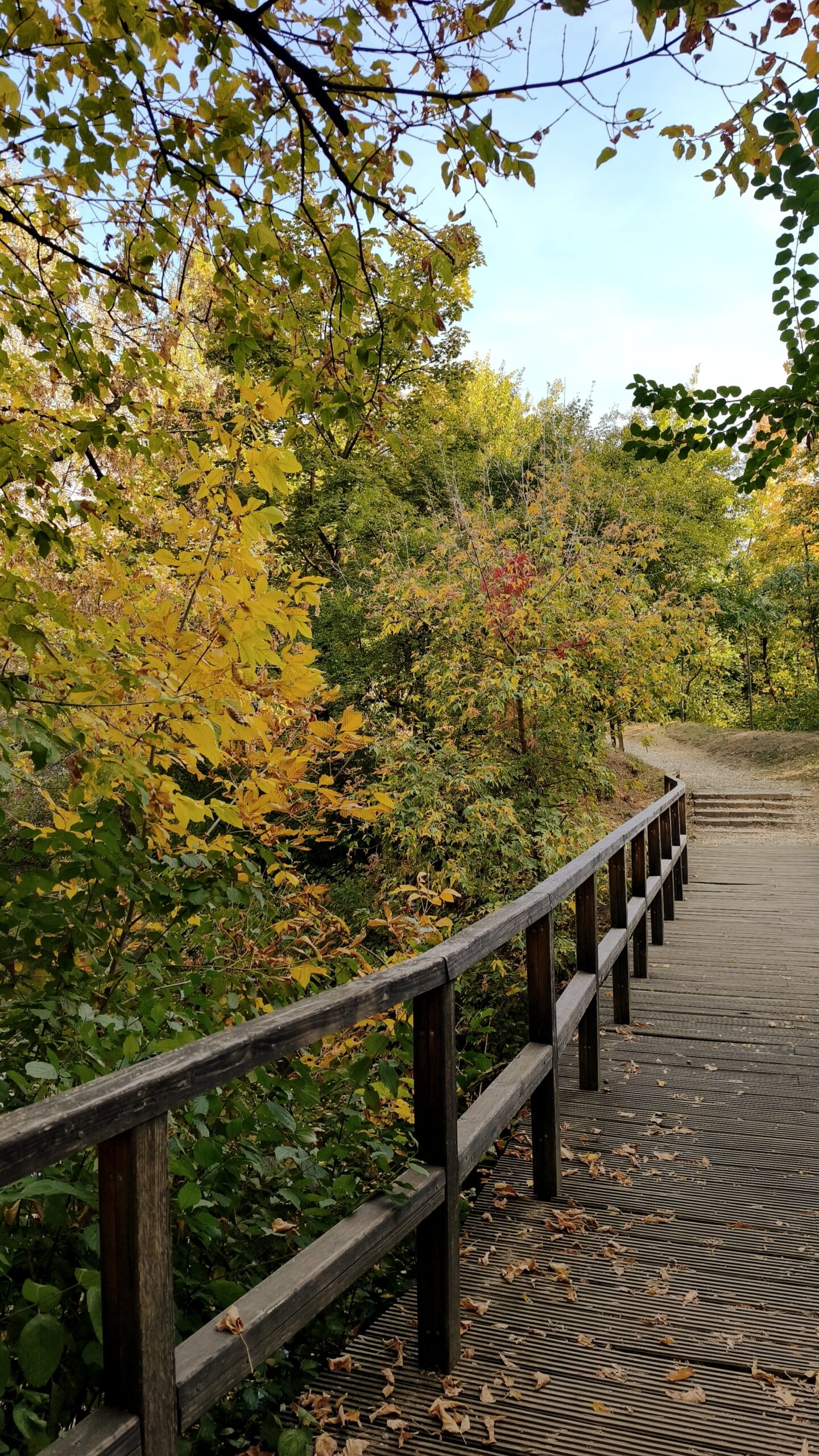
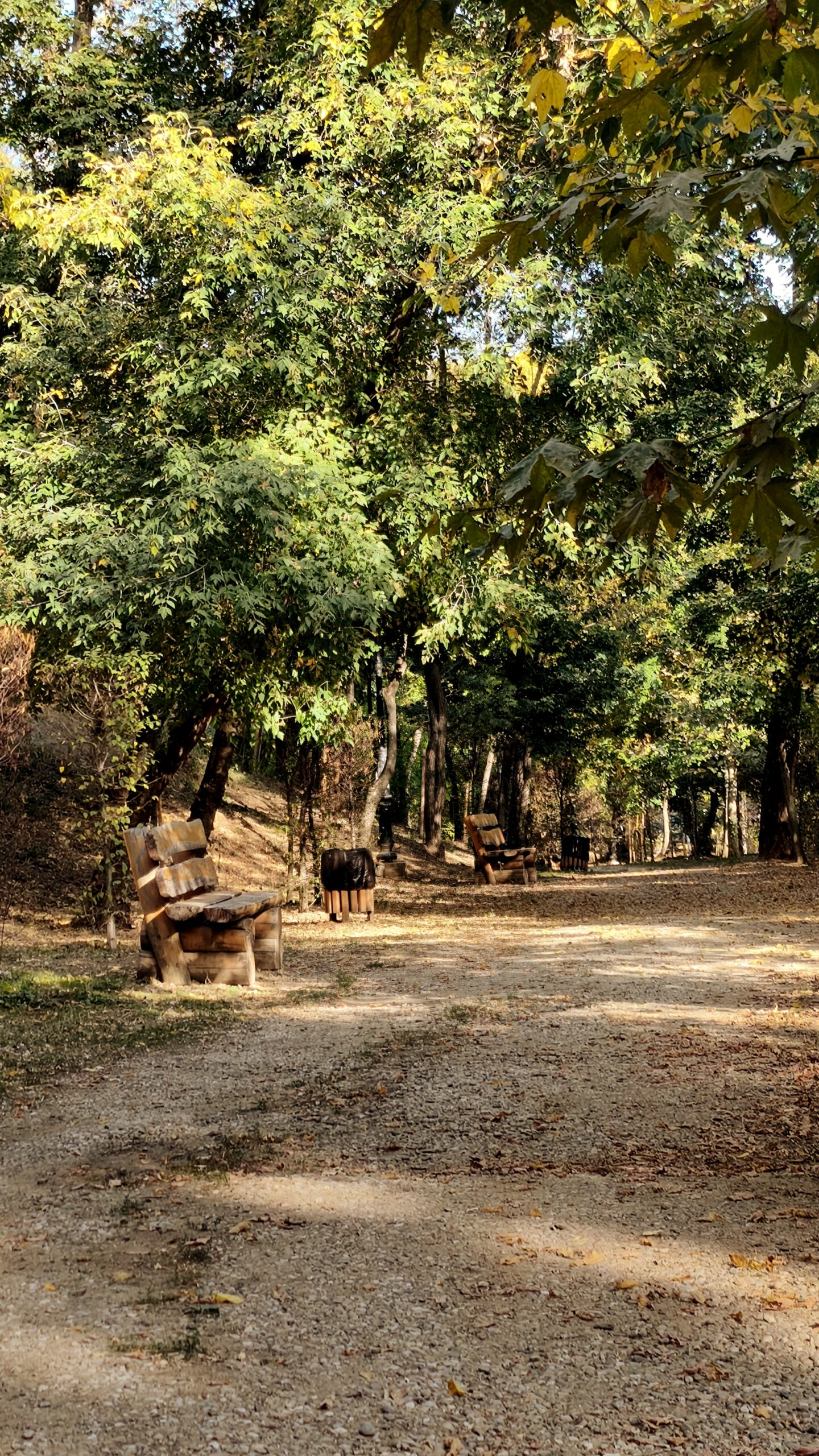
At the heart of the park lies a lake surrounded by reeds, shrubs and mature trees. Small pedestrian bridges cross sections of the water, while gravel paths lead visitors through vegetation that has developed naturally over the years.

The park's appeal comes precisely from this combination of accessible walking areas and semi-wild surroundings. Rather than transforming the entire space into a conventional recreational park, the authorities chose to preserve much of its natural character.

The result is a green space where visitors can enjoy a short walk, listen to birdsong or simply spend some time away from the traffic and crowded streets of Bucharest.

From an Abandoned Industrial Area to a Natural Park

The history of Sticlăriei Park is just as interesting as its appearance.

The area was once associated with industrial activity and the extraction of sand. As excavation reached groundwater, a lake gradually formed, creating the conditions for a new wetland habitat.

The park's name recalls the glass industry that once operated in this part of Bucharest.

For many years, the site was neglected. Vegetation spread, wildlife established itself around the lake, and the abandoned area gradually developed into an unexpected urban ecosystem.

Unfortunately, it also accumulated considerable amounts of rubbish.

A major rehabilitation project changed the situation, and Sticlăriei Park reopened to the public in October 2021, after decades of neglect.

The restoration focused on removing waste, improving access and introducing basic facilities while preserving the vegetation and habitats that had developed naturally.

Today, the park represents an interesting example of how a previously neglected urban area can be reclaimed without completely replacing its existing ecosystem.

Why Is Sticlăriei Park Called Bucharest's Second Delta?

Bucharest is already home to an extraordinary urban wetland: Văcărești Natural Park, also known as the Bucharest Delta.

Sticlăriei Park is sometimes compared to Văcărești because of its similar process of natural regeneration.

Both areas developed important habitats after human activity was reduced or abandoned. Wetland vegetation, birds and other wildlife found suitable conditions to establish themselves.

However, the two parks are very different in scale.

While Văcărești Natural Park extends across approximately 183 hectares, Sticlăriei Park occupies only around five hectares.

Sticlăriei is also more compact and easier to explore during a short visit. Its paths and bridges allow visitors to observe the lake and surrounding vegetation without undertaking a longer excursion.

The nickname may be informal, but it captures what makes the park unusual: a little piece of wetland nature surviving within a densely populated European capital.

What to See and Do in Sticlăriei Park

Walk Across the Wooden Bridges

The wooden pedestrian bridges are among Sticlăriei Park's most recognizable features.

Crossing the lake, they offer some of the best views of the surrounding vegetation and water.

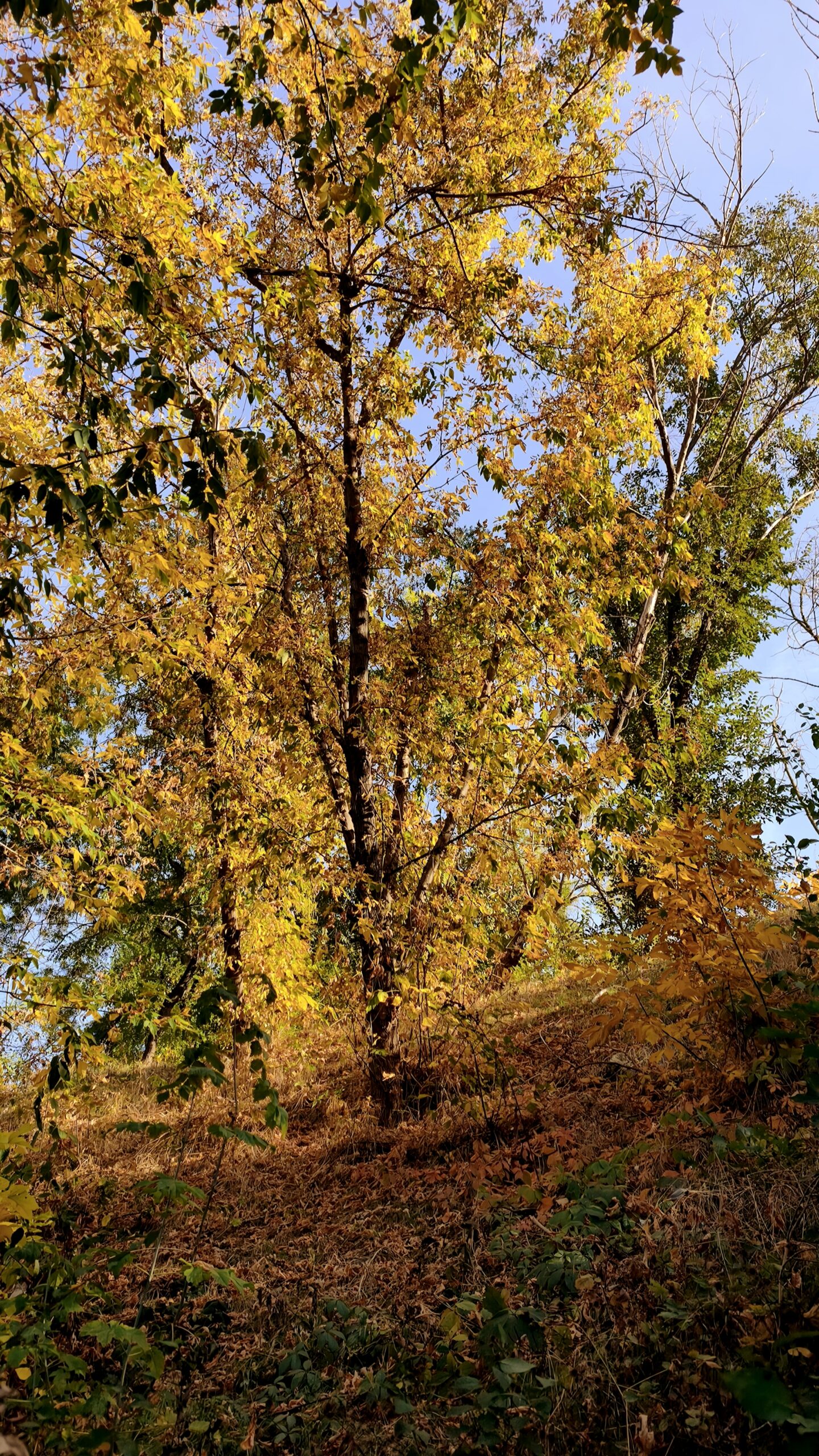
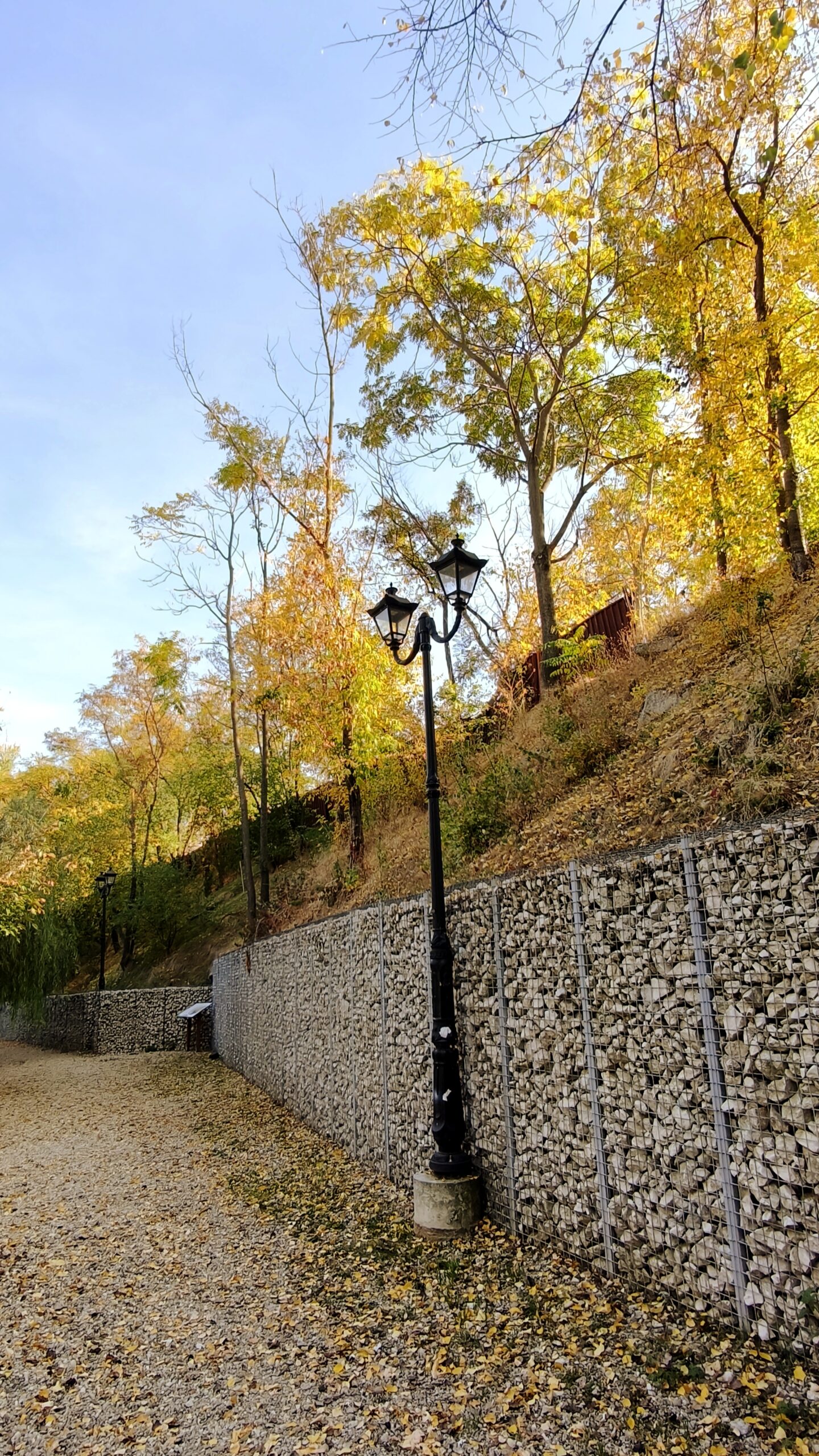
They are particularly attractive for photography, especially in autumn, when the trees turn yellow and orange and their reflections appear on the lake.

These bridges also provide an opportunity to observe the wetland environment without disturbing the vegetation growing along the banks.

Discover the Local Wildlife

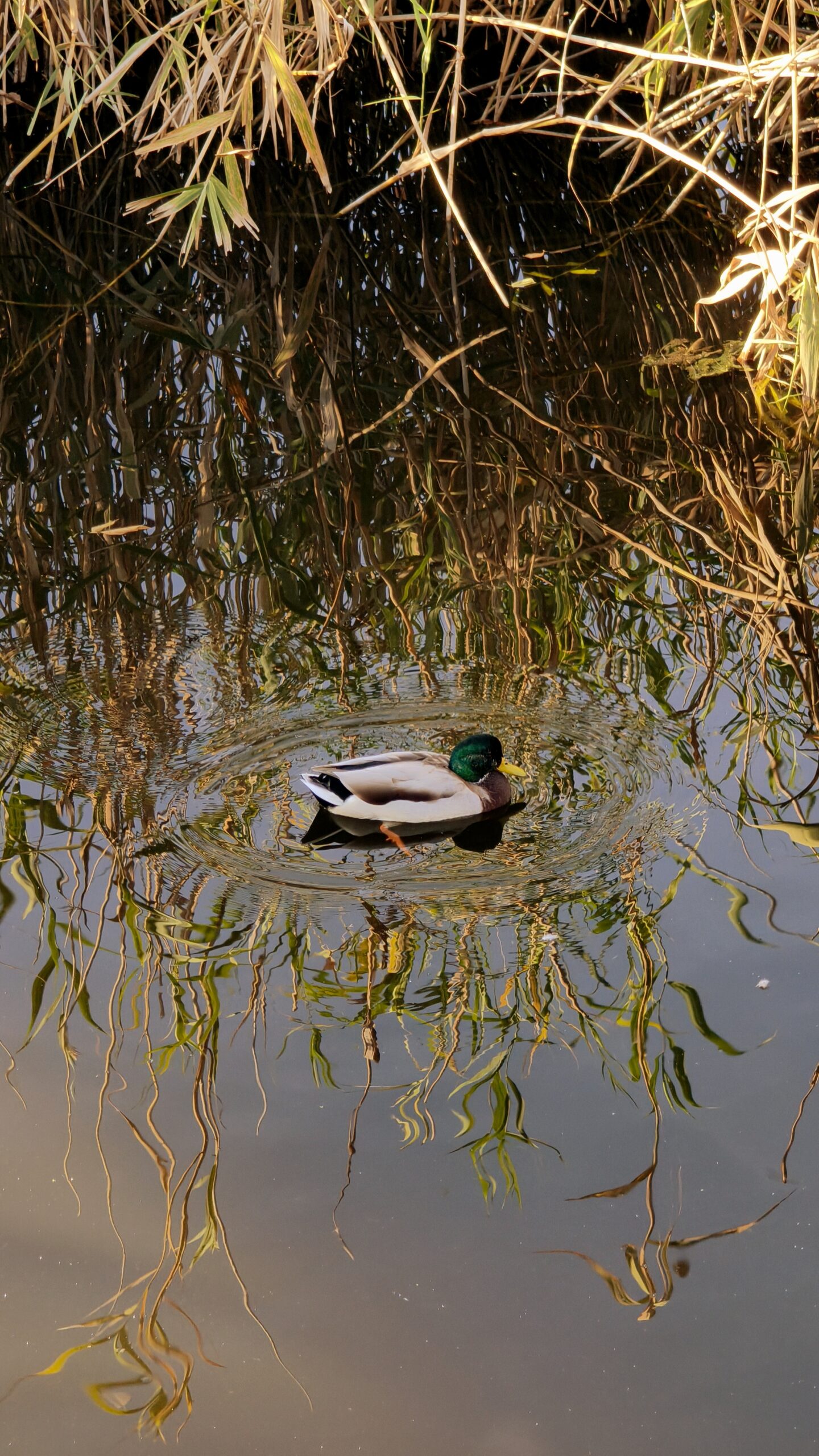
Sticlăriei Park is an interesting destination for birdwatching, even for visitors without specialist equipment.

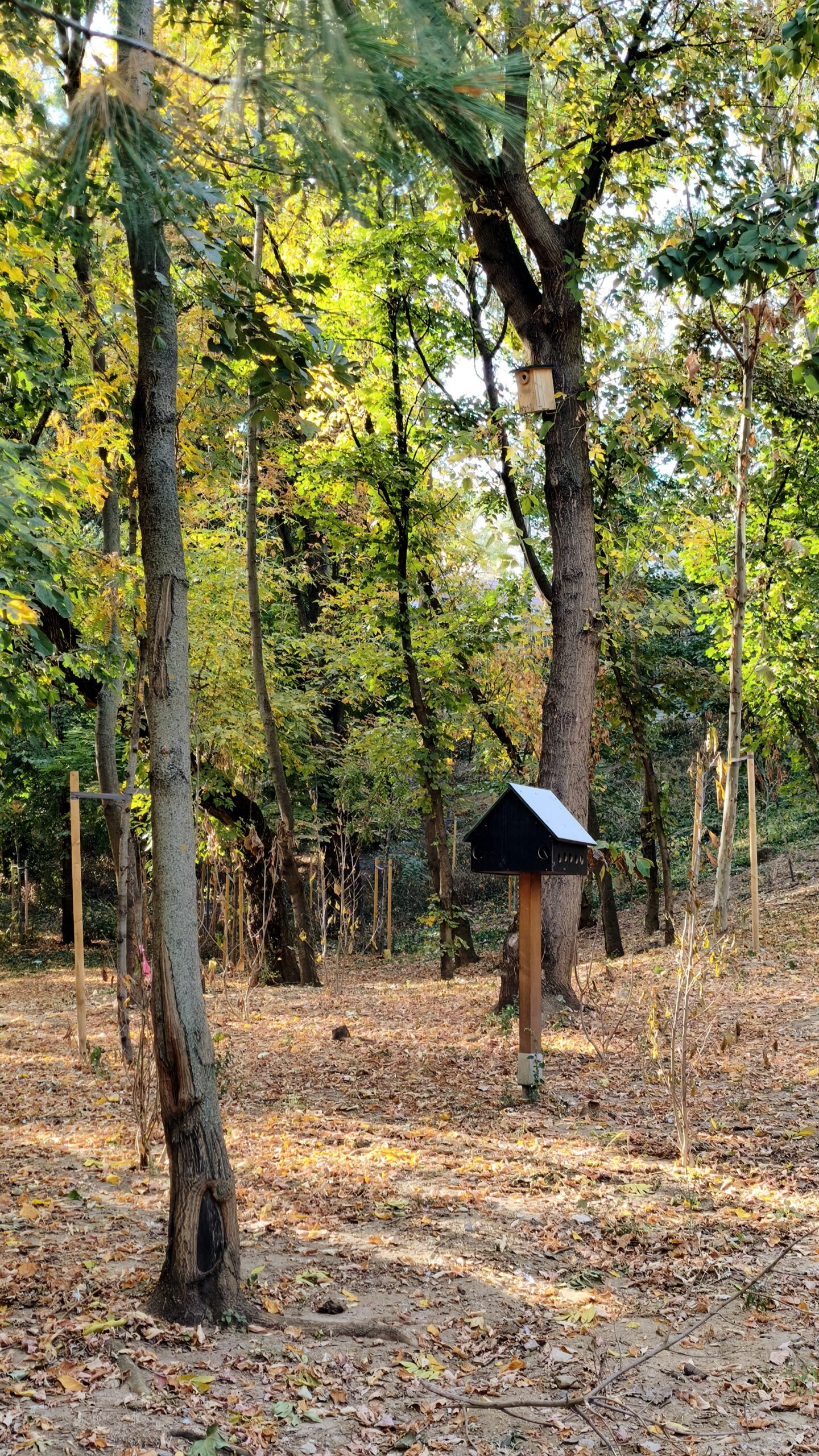
The lake and surrounding trees provide habitats for several bird species, including ducks, coots, moorhens and gulls. Depending on the season, visitors may also notice other birds moving through the vegetation.

Frogs and other small animals are part of the park's wetland environment.

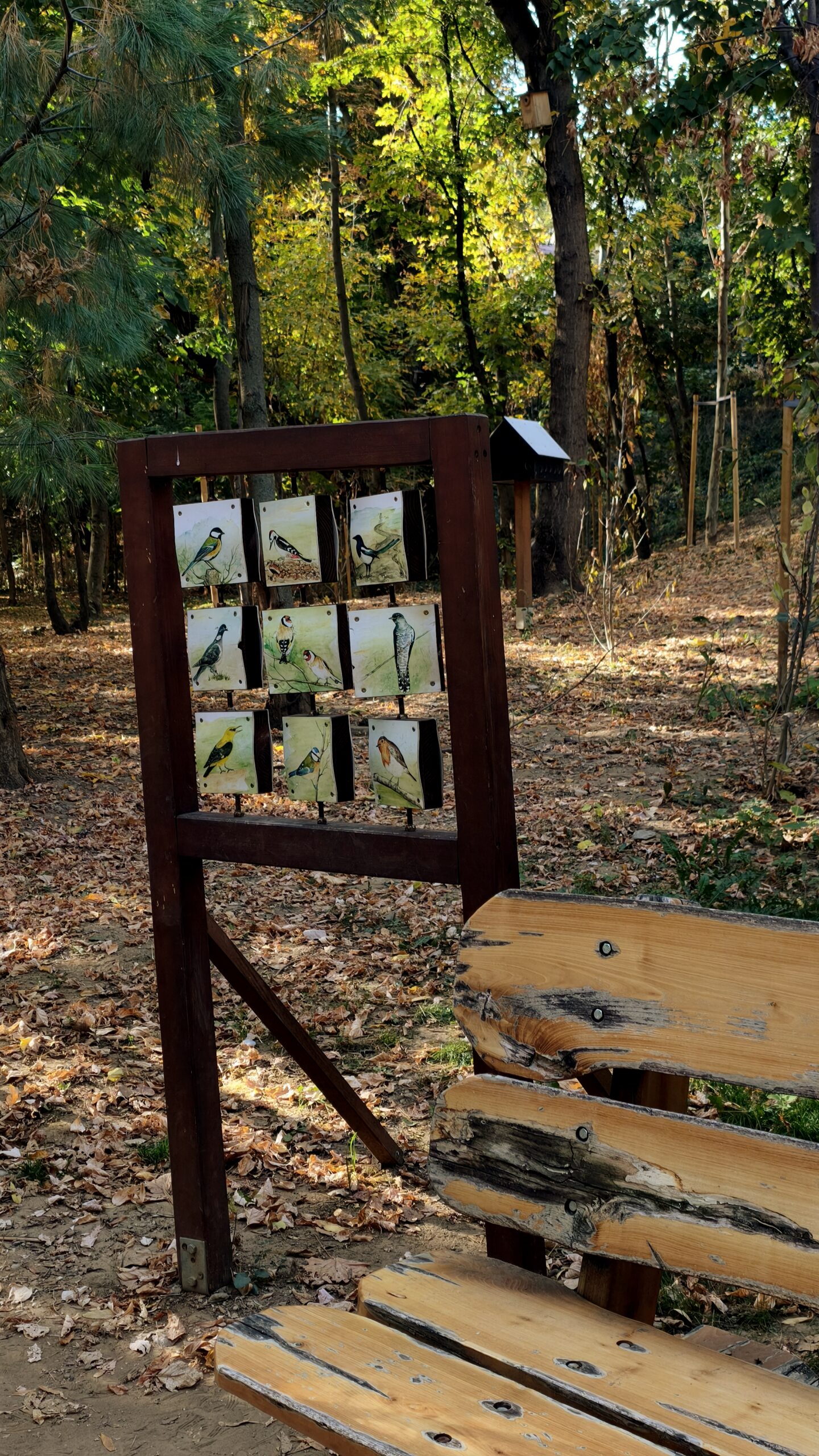
The area's biodiversity has attracted the attention of environmental organizations. The Văcărești Natural Park Association developed the Natura sub lupă (Nature Under the Magnifying Glass) educational initiative, introducing thematic information about the plants, animals and habitats found in Sticlăriei Park.

Visitors interested in nature photography or wildlife observation should consider bringing binoculars or a camera with a zoom lens.

Enjoy a Quiet Walk Among the Trees

One of the most pleasant things about Sticlăriei Park is its simplicity.

The walking paths are mostly covered with gravel rather than asphalt, and rustic wooden benches provide places to rest.

There is no need to follow a particular itinerary. Visitors can simply explore the small network of paths, stop near the lake and enjoy the surrounding landscape.

Unlike parks built primarily around playgrounds, cafés and recreational facilities, Sticlăriei encourages visitors to appreciate the environment itself.

It is particularly suitable for a quiet afternoon walk, reading outdoors or spending time observing nature.

Photograph One of Bucharest's Lesser-Known Parks

Photography enthusiasts will find several interesting subjects here.

The combination of water, bridges, reeds and mature trees creates attractive compositions throughout the year.

Spring brings fresh greenery and active birdlife. Summer offers abundant vegetation and shaded paths, while autumn is particularly photogenic thanks to the changing colours of the trees.

Even winter reveals a different side of the park, when the absence of dense foliage makes the lake and surrounding landscape more visible.

Where Is Sticlăriei Park in Bucharest?

Sticlăriei Park is situated in the eastern part of Bucharest, in Sector 2, close to Nicolae Malaxa Hospital and the Pantelimon area.

The main entrance is accessible from Strada Ion Șahighian.

Address: Strada Ion Șahighian 4, Sector 2, Bucharest, Romania.

Visitors travelling by public transport can use services operating in the surrounding area and continue on foot towards the park entrance. Check current tram and bus connections before travelling, as public transport routes may change.

Those arriving by car should be aware that parking spaces in the surrounding streets can be limited.

TOP