CALL: +40 744 660 800 MAIL: [email protected]

Bucharest Metro
Navigate the Bucharest Metro like a local in 2025: updated lines, stations, tickets, schedules, and travel tips, everything you need to move fast in the capital.
Bucharest Metro: The Complete Guide to Romania’s Underground Network
The Bucharest Metro remains the fastest, most efficient way to move around Romania’s capital — a network used daily by hundreds of thousands of locals, commuters, and travellers. As of 2026, the system spans five lines and over 60 stations, connecting key business areas, residential neighbourhoods, universities, shopping districts, and transport hubs. This is one of the most convenient ways to travel while on a city break in Bucharest.
Whether you're a tourist trying to reach Old Town, a student commuting to university, or a visitor landing at Otopeni Airport, this guide covers everything you need to know about navigating the metro in Bucharest today.
How the Bucharest Metro Works
Metrorex, a state-owned company, operates the Bucharest Metro. It consists of five colour-coded lines: M1 (yellow), M2 (blue), M3 (red), M4 (green), and M5 (orange).
Each line serves distinct parts of the city:
-
M1 (Dristor – Pantelimon): Circular, connecting East and West
-
M2 (Pipera – Berceni): North–South backbone, most heavily used
-
M3 (Preciziei – Anghel Saligny): West–East industrial connector
-
M4 (Gara de Nord – Străulești): Shorter northern line
-
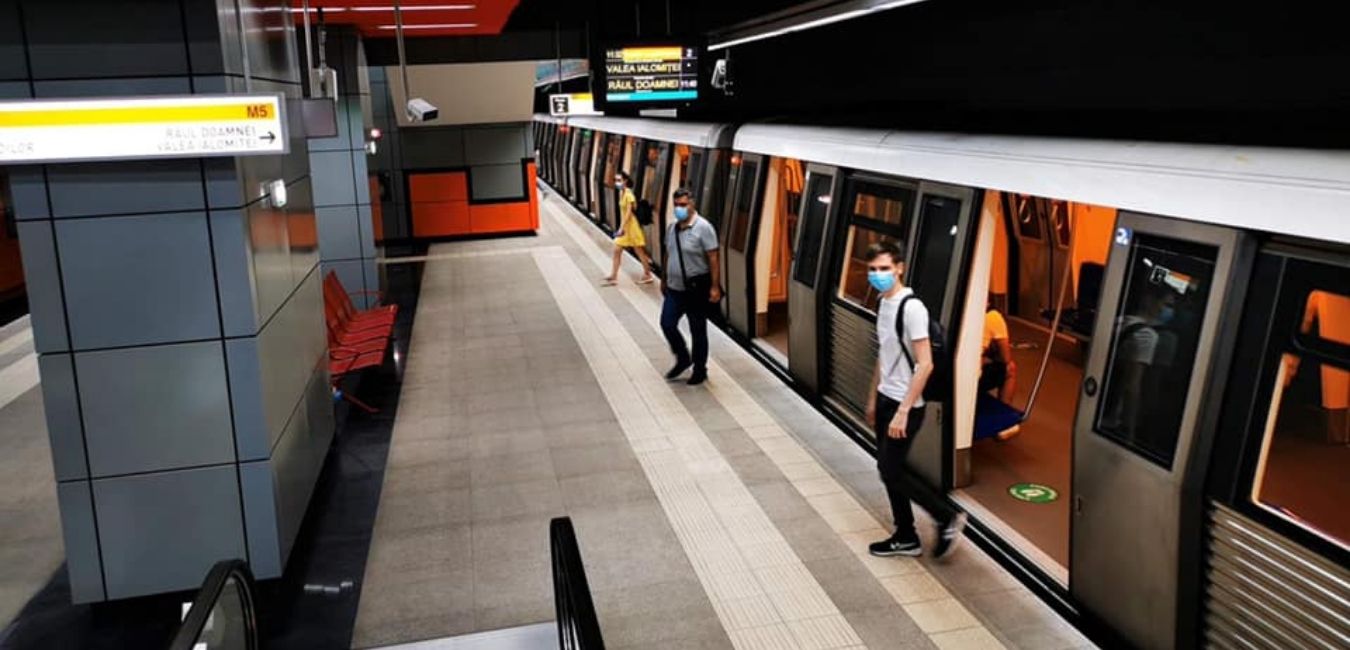
M5 (Eroilor – Valea Ialomiței / Râul Doamnei): Serves Drumul Taberei, the newest and most modern line
As of July 2025, Metrorex has over 65 km of active track, with ongoing discussions about a future M6 line, planned to connect Gara de Nord with Otopeni Airport, but still under development.
Bucharest Metro Map
The subway network also provides passenger transport in Bucharest, which is among the most used public transport systems.
The network consists of five lines: M1, M2, M3, M4, and M5. The system has a 77 km length and 63 stations, with an average distance of 1.5 km between stations.
The route map can be found on metrorex.ro, subway website, but also explanatory maps are conveniently shown in the subway stations and even in the trains themselves. The use of the subway system in Bucharest is based on a magnetic card, which can be purchased from the subway stations, which entitles either a fixed number of trips over a more extended period or to an unlimited number of trips per one fixed period.
Magnetic cards for subway access cannot be used for journeys by public transport to the surface.
The passengers' access to the subway stations is between 5.00 and 23.30, and trains with a frequency of 5 to 15 minutes depending on the hours.
Bucharest Metro Fare and Subscription Prices
Bucharest Metro Ticket Prices (Accurate as of July 2025)
The fares for the Bucharest Metro are managed by Metrorex and reflect recent budgeting updates. Here’s the correct breakdown:
Metrorex-Only (Underground Only)
Single Trip - Price: 5.00 RON, Non-nominal, Magnetic card holder, No timing
2 Trips - Price: 10.00 RON, Non-nominal, Magnetic card holder, Nominal rechargeable contactless card (pre-issued), No timing
10 Trips - Price: 40.00 RON, Non-nominal, Magnetic card holder, Nominal rechargeable contactless card (pre-issued), No timing
24-Hour Pass - Price: 12.00 RON, Non-nominal, Ultralight contactless card, 15-minute delay
72-Hour Pass - Price: 35.00 RON, Non-nominal, Ultralight contactless card, 15-minute delay
Weekly Pass - Price: 45.00 RON, Non-nominal magnetic card, Nominal rechargeable contactless card, 15-minute delay
Monthly Pass - Price: 100.00 RON, Non-nominal magnetic card, Nominal rechargeable contactless card, 15-minute delay
6-Month Pass - Price: 500.00 RON, Nominal, Rechargeable contactless card, 15-minute delay
Annual Pass - Price: 900.00 RON, Nominal, Rechargeable contactless card, 15-minute delay
Some discounts apply:
-
-
Students attending Romanian universities receive a 50 RON monthly pass
-
Seniors (over 70) travel free
-
If you do not have either app on your phone, we recommend you download at least one in order to spare yourself running after a normal taxi.
Metro Ticket Payment Options
Cash - at cashiers, access booths and card vending machines;
Bank card - at cashiers (there are stickers that visually signal travelers regarding the acceptance for payment of cards issued under the Visa, MasterCard, VisaElectron and Maestro logo),
- at card vending machines,
- at access gates or terminals specially installed for contactless technology.
When validating a magnetic card or a Metrorex contactless card, other bank cards with contactless technology must not be kept in their proximity, as it is possible to accidentally/inadvertently pay the cost of a trip on the bank card by being near them by the area marked with the contactless symbol on the gate display.
Payment for the journey at the access gates or terminals specially set up for contactless technology can be made using any MasterCard, Maestro or Visa contactless bank card. The price of the metro ride does not involve any additional fees.
Bucharest Metro Schedule
Metro Schedule and Frequency
The metro runs daily from 5:00 AM to 11:00 PM. Frequency depends on the line:
M2 (Pipera–Berceni): Every 1–3 minutes during peak hours
M1, M3, M5: Every 4–6 minutes
M4: Every 7–10 minutes due to shorter line and lower demand
Train frequency decreases slightly after 9:30 PM.
Main Interchange Stations
Several key hubs allow seamless transfers between lines:
Eroilor: Connects M1, M3, and M5
Gara de Nord: M1 to M4 + direct access to main railway station
Unirii: M1 and M2 meet — the busiest interchange
Basarab: M1 and M4
Victoriei: M1 and M2
Dristor: M1 loops and continues toward Pantelimon
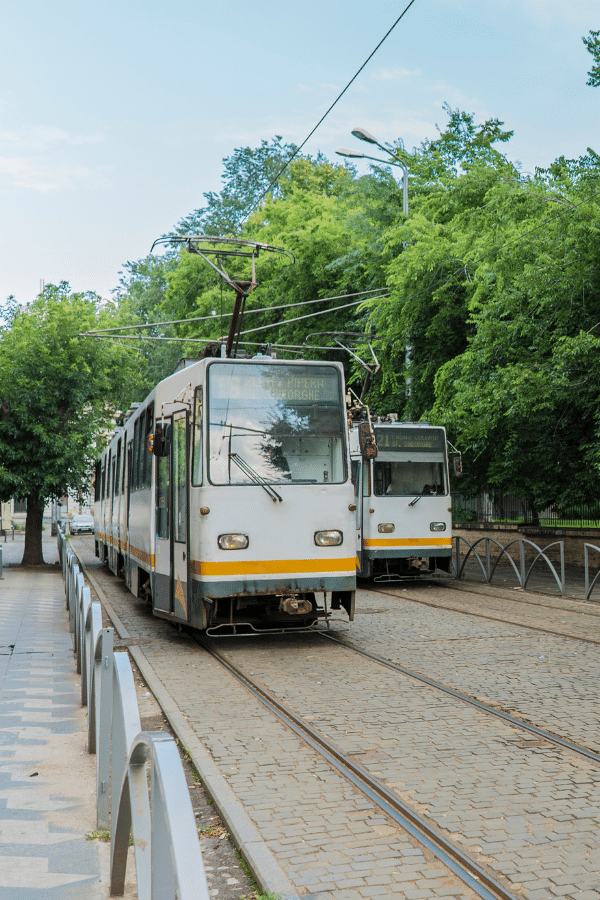
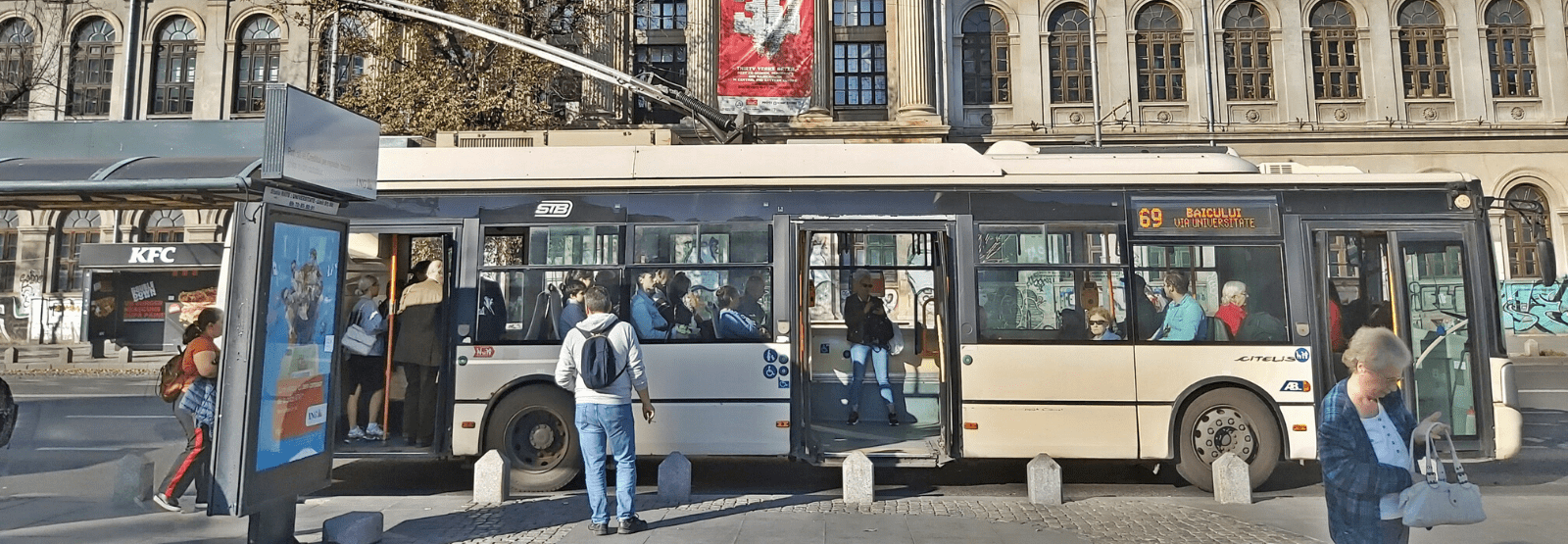
These stations also connect to buses, trolleybuses, and tram lines, making the metro the backbone of the broader public transport network.
Accessibility and Facilities
The Bucharest Metro has seen major upgrades in the past few years, with a focus on accessibility:
M5 stations are fully modern, with elevators, real-time LED panels, and wide access gates
Older stations (especially on M1 and M2) are being gradually retrofitted for accessibility, though not all have elevators yet
Wi-Fi is available at major stations like Unirii, Victoriei, and Piața Romană
Stations equipped with restrooms for passengers:
Main Line 1-3: Piața Victoriei 2, Piața Unirii 1, Nicolae Grigorescu, 1 Decembrie 1918, Nicolae Teclu, Anghel Saligny.
Main Line 4: Jiului, Parc Bazilescu, Laminorului, Străulești.
Main Line 5: Academia Militară, Orizont, Favorit, Tudor Vladimirescu, Parc Drumul Taberei, Romancierilor, Valea Ialomiței, Brâncuși, Răul Doamnei.
Most trains are air-conditioned, especially on M5 and newly refurbished M2 cars
Bucharest Airport Transfer
Metro to/from Otopeni Airport (What You Need to Know)
The M6 line, connecting Otopeni Airport to the metro grid, is not yet operational as of July 2025. Until its launch, you can reach the city via:
Express Bus 100 to Piața Victoriei or Universitate
Train to Gara de Nord + Metro M1 or M2
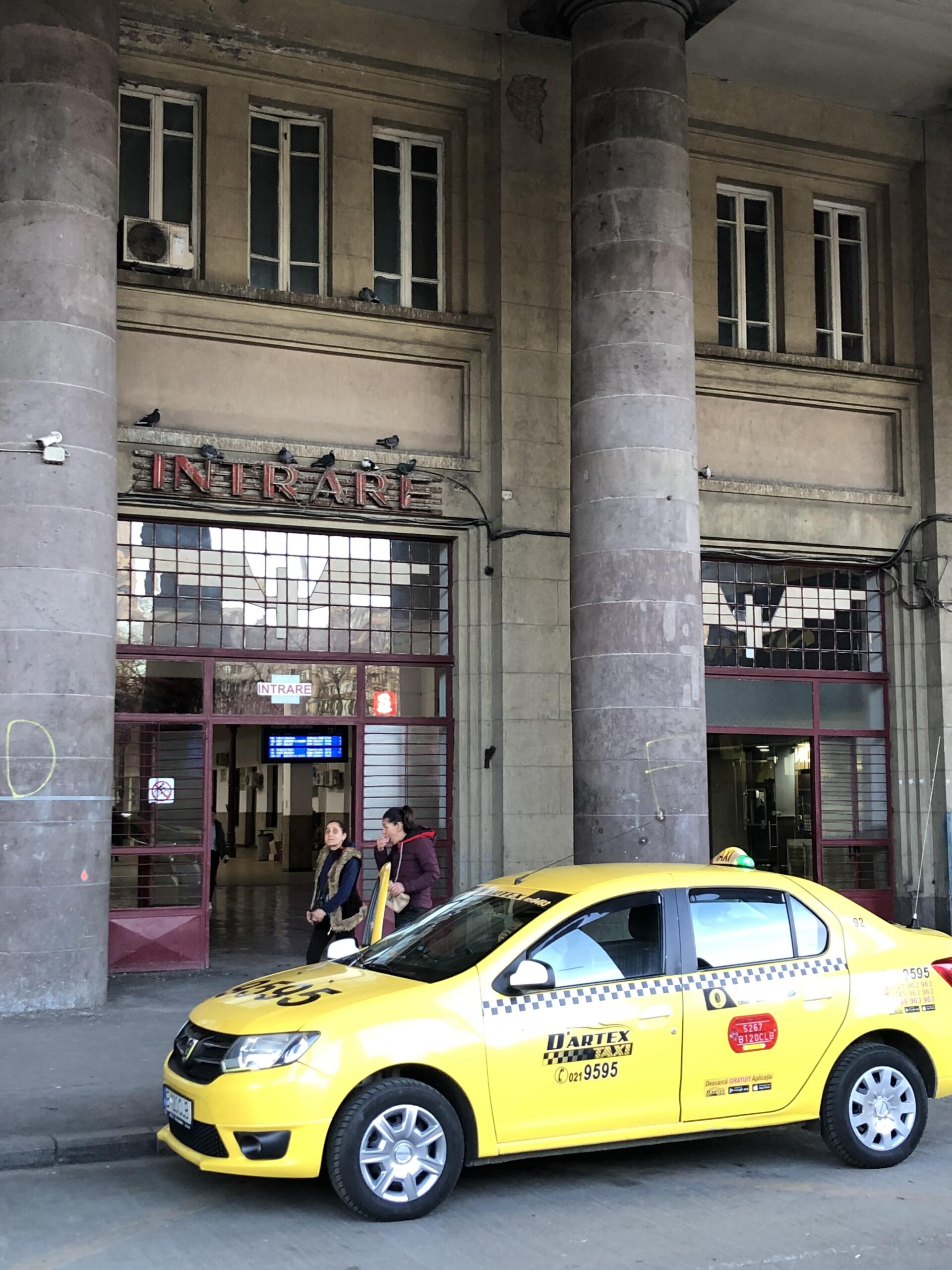
Taxi or Bolt rides from the airport remain a popular alternative, taking ~20 minutes to reach central Bucharest.
Metropolitan Integrated with Metro Tickets and Passes
Metro, Bus, Trolley, Tram (Bucharest-Ilfov metropolitan area)
Metropolitan integrated tickets
1 Metropolitan and Metro ticket – 120 min – 5 RON (approx. 1.01 EUR)
2 Metropolitan and Metro tickets - 120 min - 10 RON (approx. 2 EUR)
10 Metropolitan and Metro tickets – 120 min – 45 RON (approx. 9.05 EUR)
Metropolitan integrated passes
Metropolitan and Metro Pass – 24 h – 14 RON (approx. 2.81 EUR)
Metropolitan and Metro Pass – 72 h – 35 RON (approx. 7.04 EUR)
Metropolitan and Metro Pass – 7 days – 50 RON (approx. 10.05 EUR)
Metropolitan and Metro Pass – 1 month – 140 RON (approx. 28.15 EUR)
Metropolitan and Metro Pass – 6 months – 700 RON (approx. 140.75 EUR)
Metropolitan and Metro Pass – 12 months – 1200 RON (approx. 241.29 EUR)
Integrated Metropolitan Passes with Train Passes (Surface + Train North Railway Station-Otopeni Airport)
Metropolitan integrated passes
Metropolitan and Train Pass – 1 month – 140 RON (approx. 28.15 EUR)
Metropolitan and Train Pass – 6 months – 800 RON (approx. 160.81 EUR)
Metropolitan and Train Pass – 12 months – 1400 RON (approx. 281.41 EUR)

FOLLOW US
© 2026 All rights reserved.
Webdesigned and promoted by TUYA Digital

Bucharest
Bucharest, RO
6:02 pm,
October 15, 2026
14°C
heavy intensity rain
60 %
1021 mb
18 Km/h
Wind Gust:
24 Km/h
Clouds:
100%
Visibility:
10 km
Sunrise:
7:30 am
Sunset:
6:32 pm