
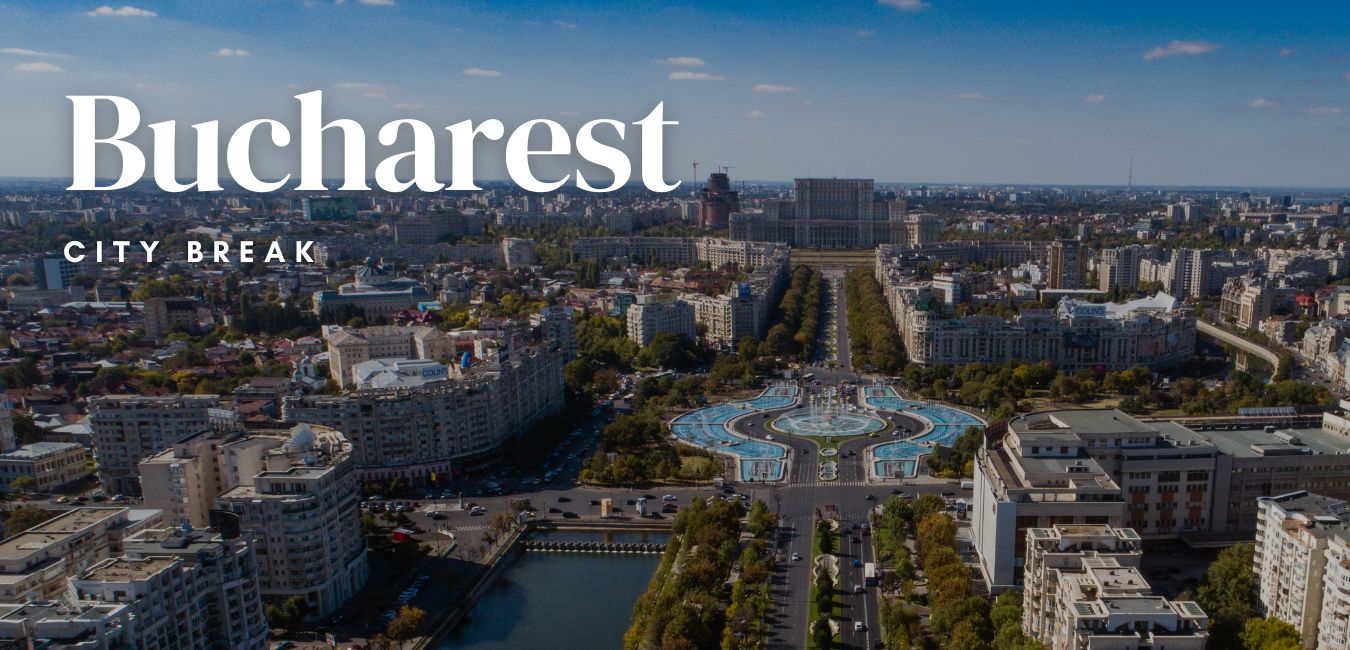
Planning a Bucharest city break? This guide is built for travellers who want a short trip that actually works, not a vague list of attractions. You will find what to do in Bucharest in 2 or 3 days, where to stay for the best experience, how to get around easily, what kind of budget to expect, and which mistakes are worth avoiding from the start.
Bucharest is one of those European capitals that surprises you quickly, and it’s an ideal pick for a Bucharest city break when you want a weekend that feels lively, different, and easy to navigate. The city delivers contrast in the best way: Belle Époque boulevards and elegant façades, bold communist-era landmarks, big green parks, and a modern café and nightlife scene that makes evenings feel like part of the trip, not just the end of the day.
This guide is designed to help you plan a realistic 2–3-day weekend in Bucharest. It covers the most walkable areas, a simple itinerary that actually works, what to eat, how much to budget in EUR, and the practical questions tourists always ask before they book.
Table of Contents
- How many days do you need for visiting Bucharest?
- Best time to visit Bucharest for a city break
- Getting to Bucharest
- Bucharest airport to city centre
- Getting around Bucharest
- Where to stay for a Bucharest city break
- The perfect 2-day Bucharest city break itinerary
- What to eat in Bucharest
- How much does a Bucharest city break cost?
- Best day trips from Bucharest
- Is Bucharest safe for tourists?
- Common mistakes to avoid on a Bucharest weekend
- Bucharest city break FAQs
Bucharest city break at a glance

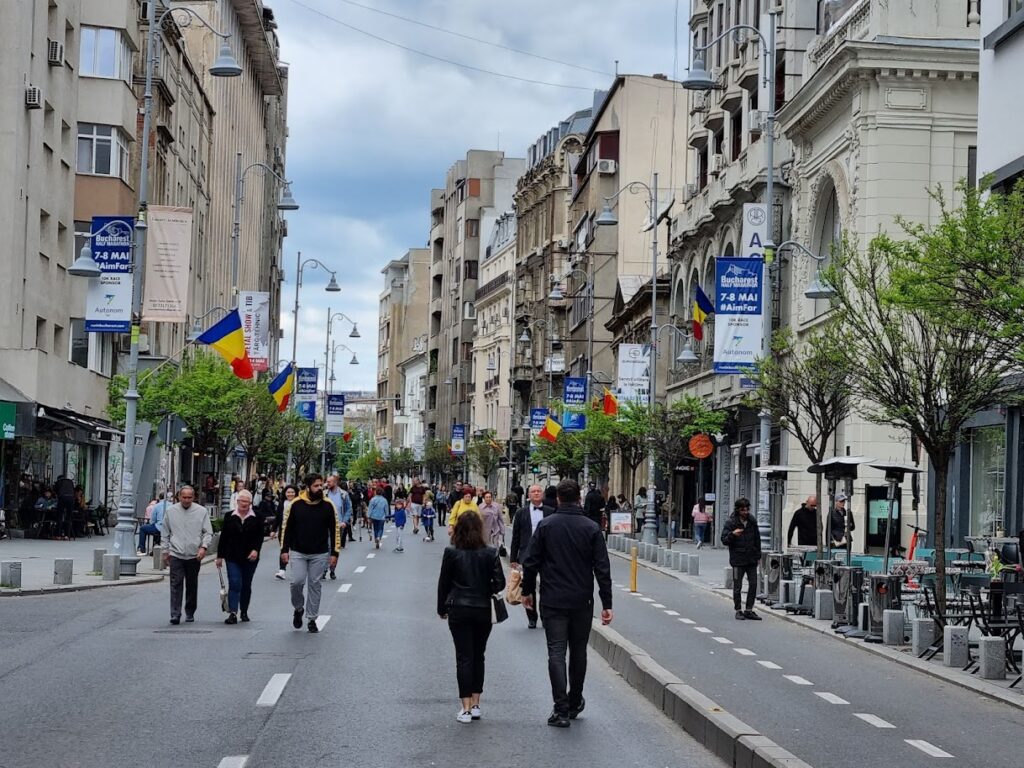
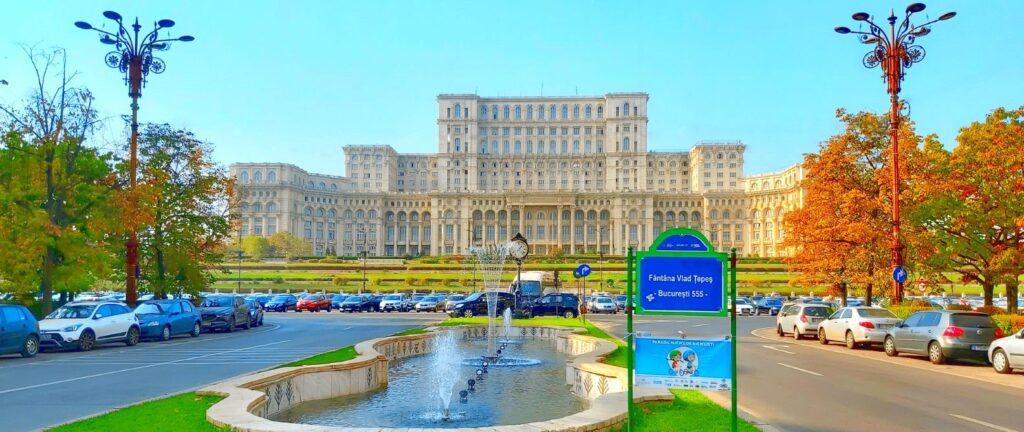
If you have 2 days in Bucharest, you can cover the essentials comfortably: the Old Town, the Palace of Parliament, Calea Victoriei, a central park break, and two very good evenings or, if you’re lucky to be in Bucharest at the right time, an event such as a concert or a festival will definitely make the difference.
If you have 3 days, you can add a calmer cultural half-day, a neighbourhood walk that feels more local, Therme Bucharest, or a stress-free day trip outside the city.
If this is your first visit, stay central, plan one big landmark per day, and leave room for cafés and parks. Bucharest is at its best when the weekend feels smooth and walkable, not rushed.
How many days do you need to visit Bucharest?
Two days is enough to get a complete first impression of the city. You’ll have time for the historic centre, one iconic landmark, the best boulevard walk, and the parts people love most about Bucharest: food, cafés, and evenings.
Three days is ideal if you want a slower rhythm, a museum day, or a proper reset at Therme without sacrificing the centre. It’s the difference between “seeing the city” and actually enjoying it.
If you also want mountain scenery and castles, add a fourth day. Trying to squeeze that into a strict 48-hour trip usually turns the weekend into a mix of transport and stress.
Best time to visit Bucharest for a city break
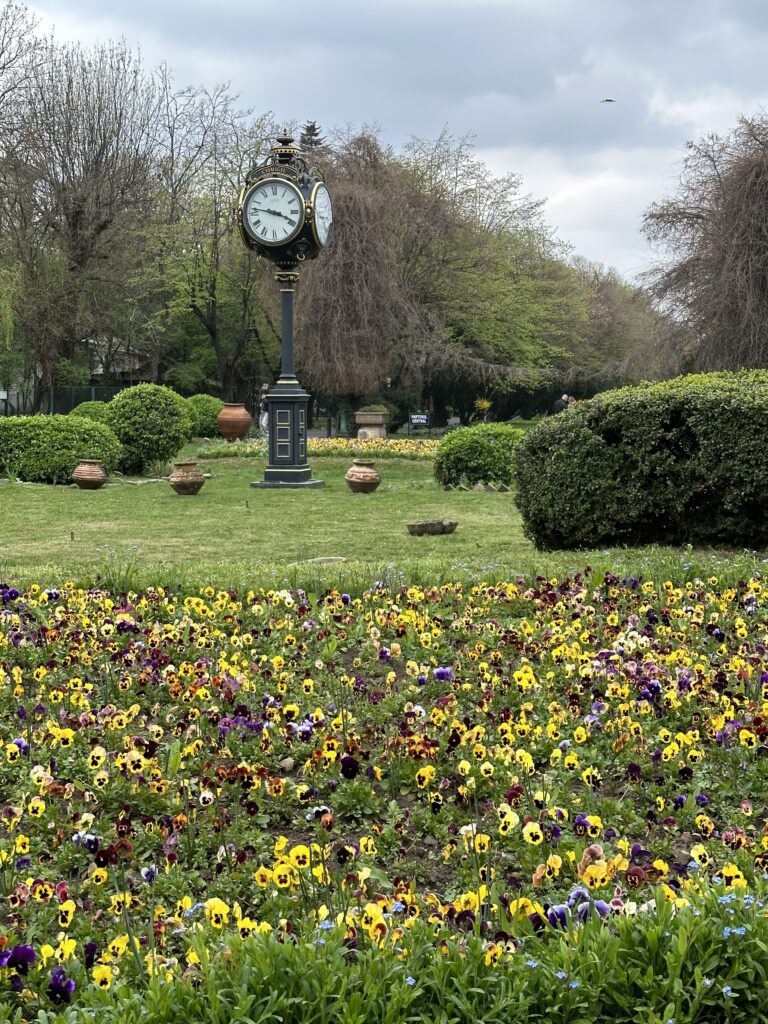
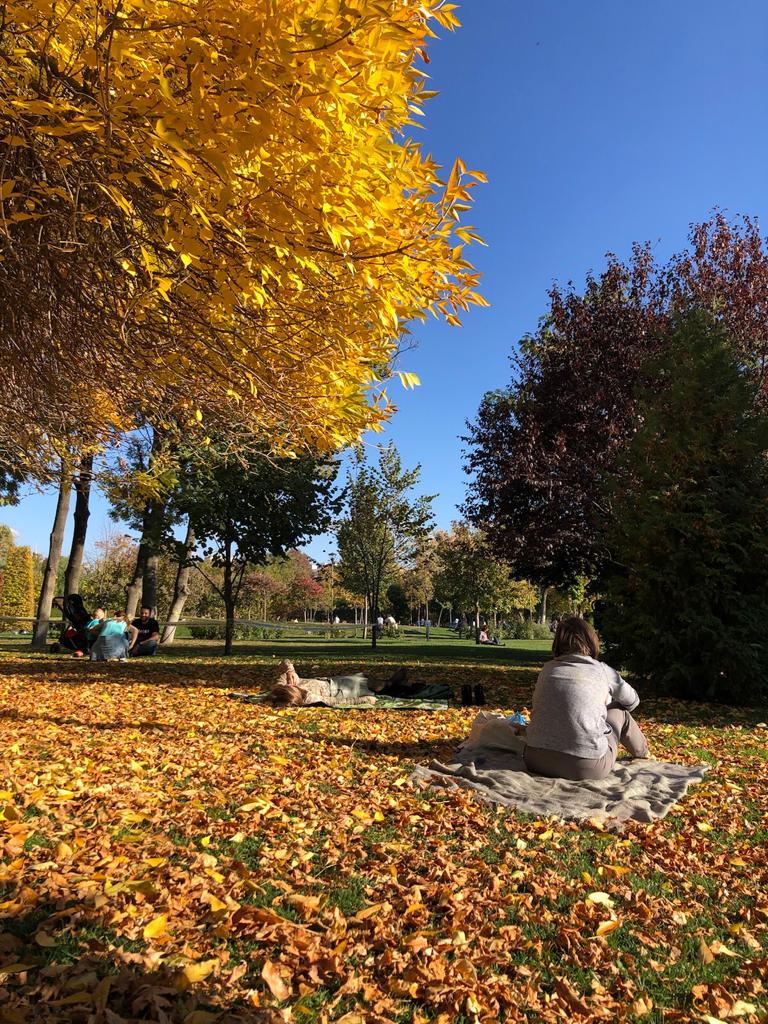
Spring and autumn are the easiest seasons for a Bucharest weekend. Temperatures are comfortable, the city is very walkable, parks look great, and the light is excellent for photos.
Summer is lively and terrace-heavy, but midday can be hot. The best plan is to walk early, slow down over lunch, then resume your sightseeing after 6 PM, when the city comes to life again.
Winter is a strong option if you want an atmospheric city break with museums, cosy cafés, and an evening vibe that feels warm and cinematic. You’ll walk less, but the trip still works beautifully.
Getting to Bucharest
Find your flight to Bucharest!
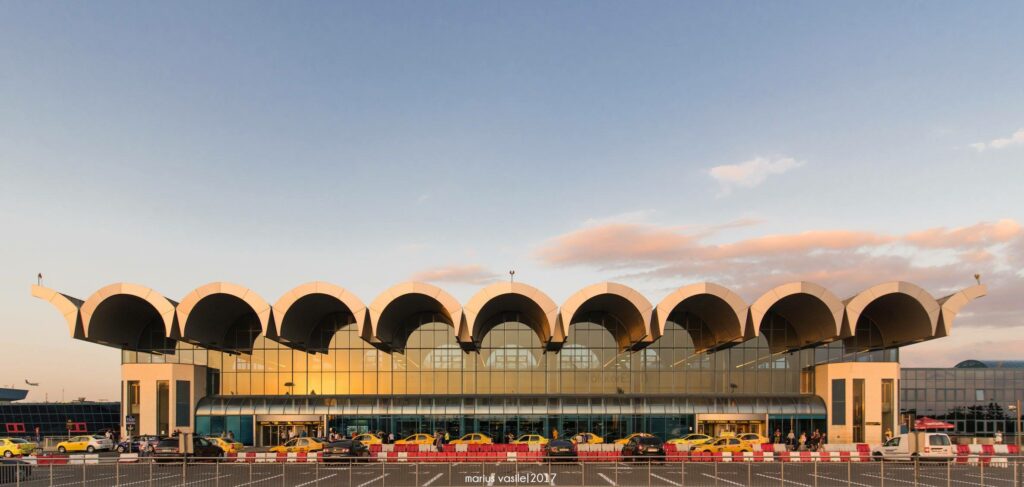
Most international travellers land at Henri Coandă International Airport (Otopeni), north of the city.
For a city break, your biggest advantage is staying central. If you choose accommodation around the Old Town, Universitate, Piața Romană, or the Calea Victoriei corridor, you’ll do most of the weekend on foot.
That saves time, keeps costs low, and makes the itinerary feel effortless.

Bucharest airport to city centre: the easiest options

For most weekend travellers, the goal is simple: reach your hotel quickly and avoid complicated connections.
The fastest and easiest option is a direct ride into the city, especially if you arrive late, travel with luggage, or want the trip to start smoothly. Better off, you might consider a rent-a-car option.
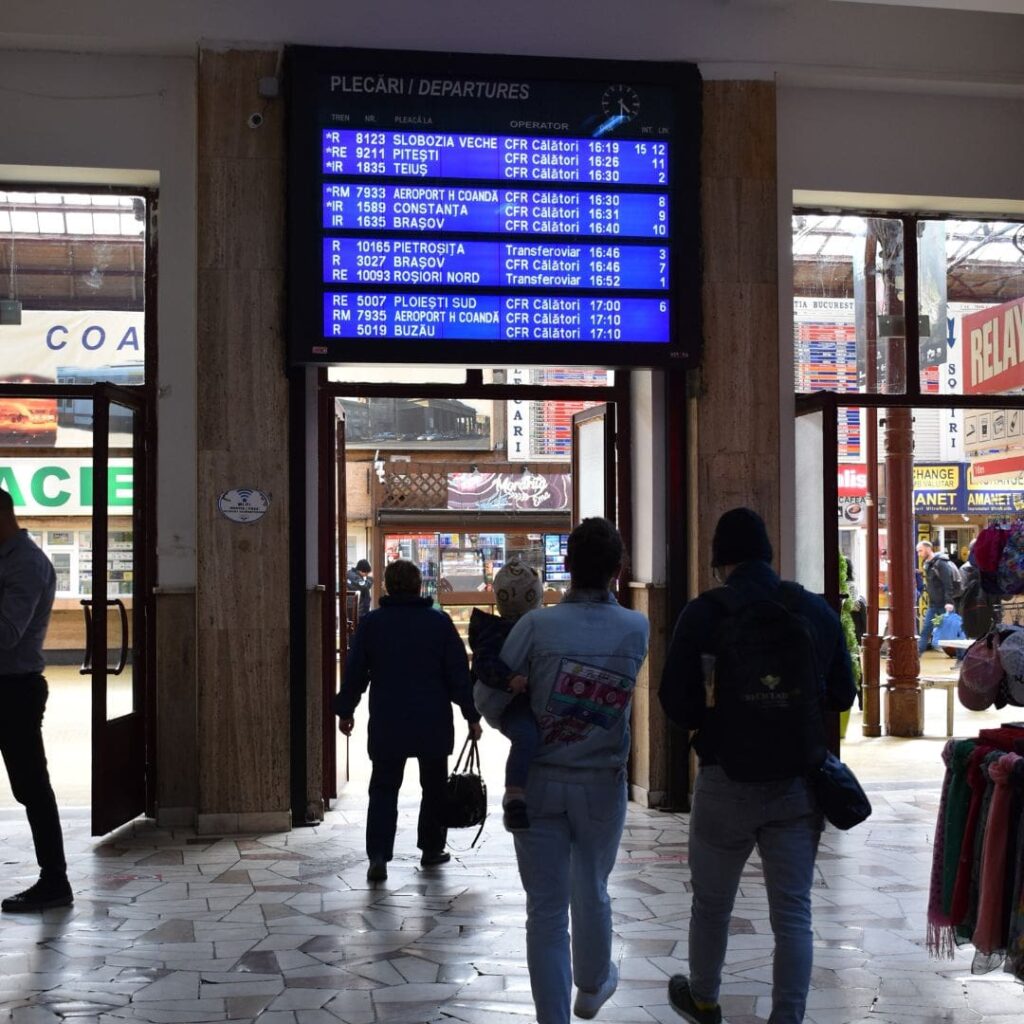
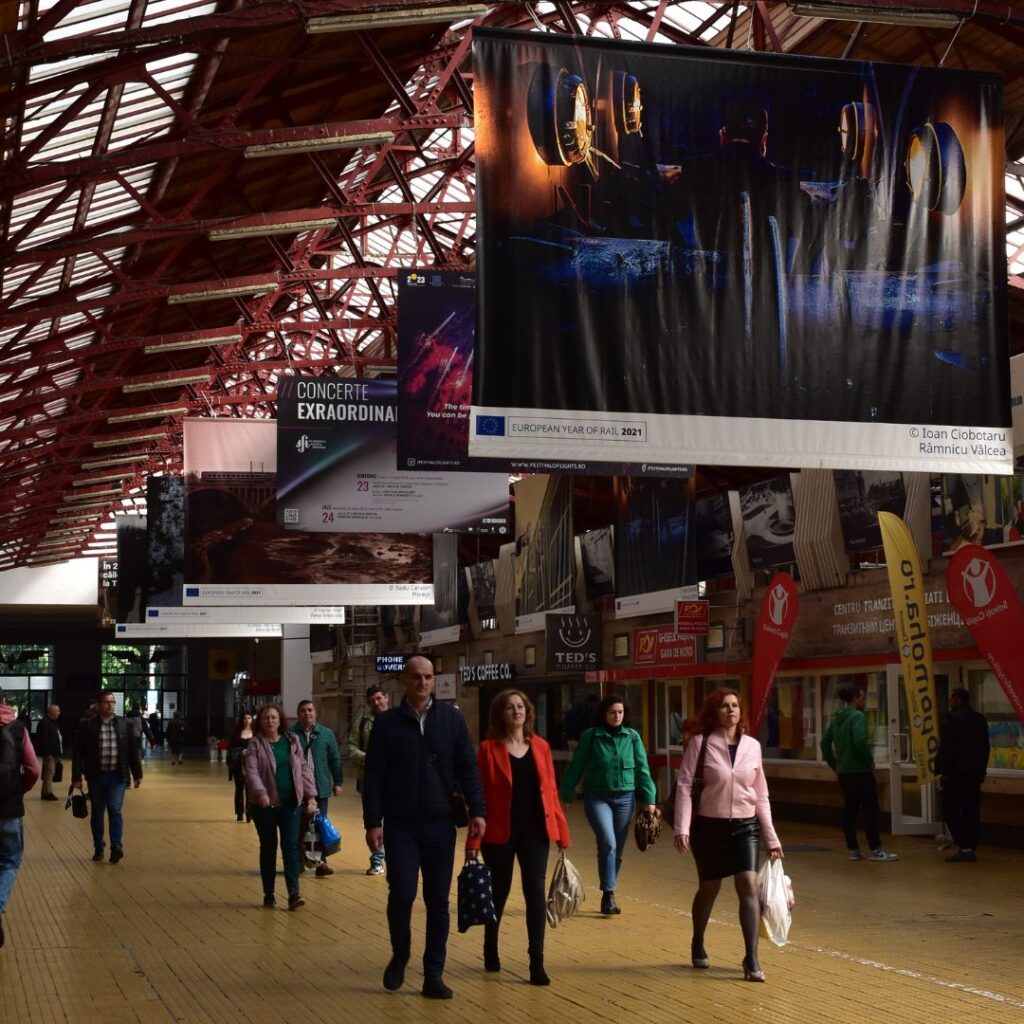
If you land during daytime and prefer public transport, the airport train connection is a practical choice, and it works well if your accommodation is central, as it gets you to the North Railway Station – Gara de Nord.
Once you’re in the city core, you won’t need a car. Bucharest is a walking city break when you stay in the right area.
Getting around Bucharest
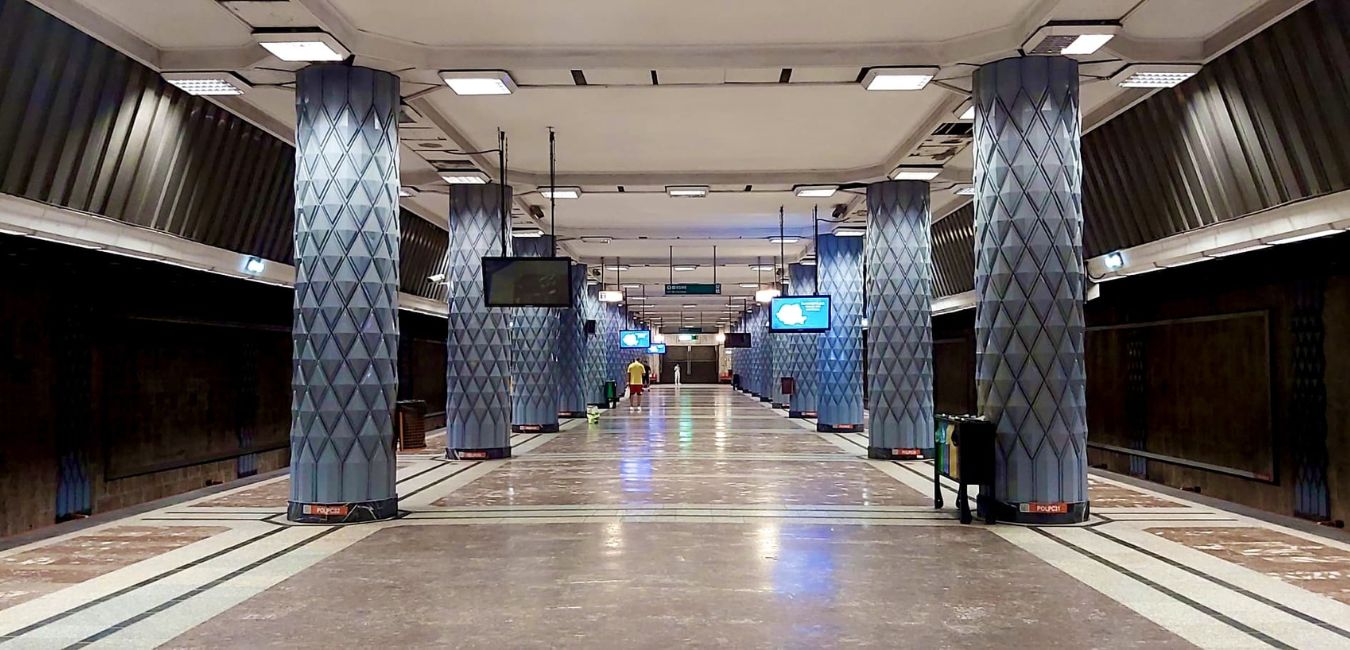
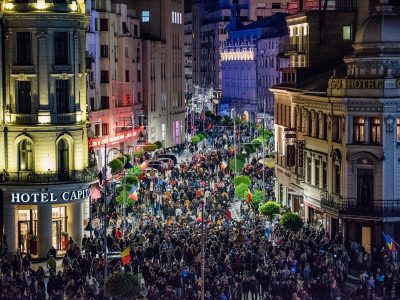
Central Bucharest is walkable in the places tourists care about most: Lipscani and the historic core, Universitate, Calea Victoriei, Revolution Square, and Cișmigiu.
When you need speed, use the metro. When you want convenience, especially at night or between neighbourhoods, ride-hailing is usually the simplest move.
Most key highlights in central Bucharest sit within a 10–25 minute walk of each other, especially between Old Town, Universitate, and Calea Victoriei. That’s why your hotel area matters more than any complicated transport plan.
Where to stay for a Bucharest city break

Bucharest’s “centre” is not one single point. It’s a few connected zones with different moods. The best choice depends on what you want your weekend to feel like.
Old Town (Lipscani)
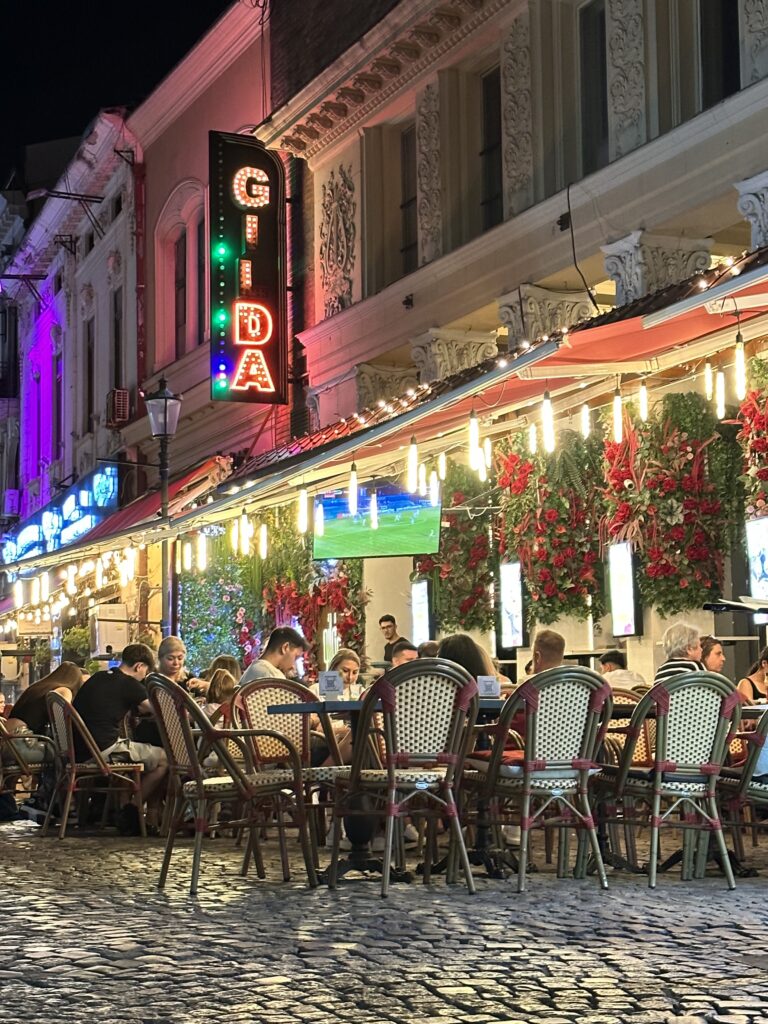
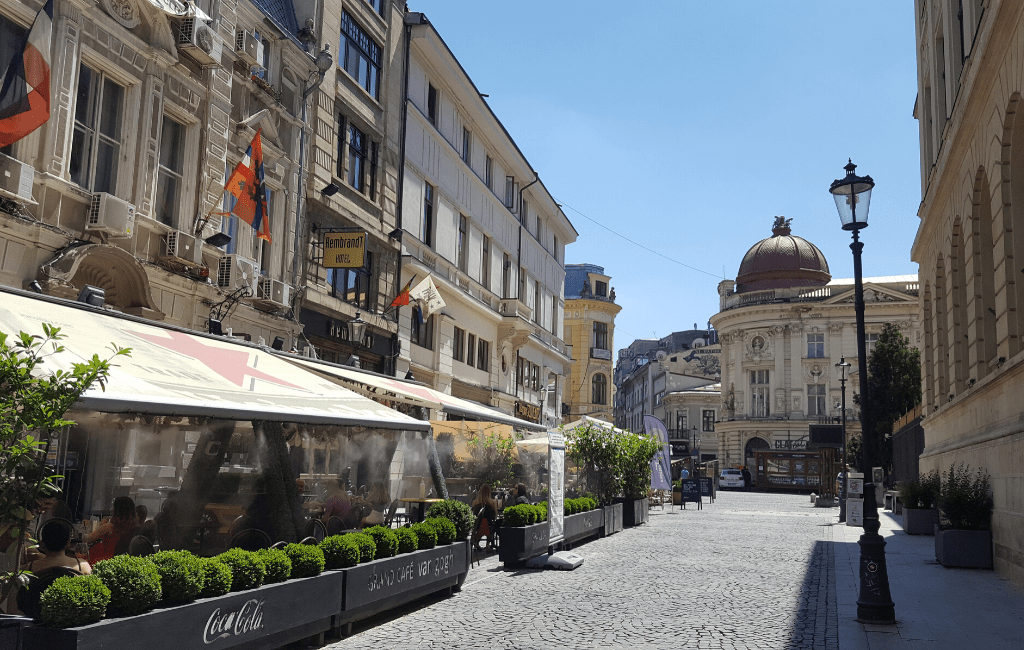
Old Town is the most central base and the easiest option for first-time visitors who want energy. You’ll be surrounded by restaurants, bars, historic streets, and the kind of weekend buzz that makes the trip feel alive from minute one.
It’s best for nightlife, short stays, and walking everywhere. The only real downside is noise on busy nights, so if you’re a light sleeper, consider staying just outside the loudest lanes.
Calea Victoriei
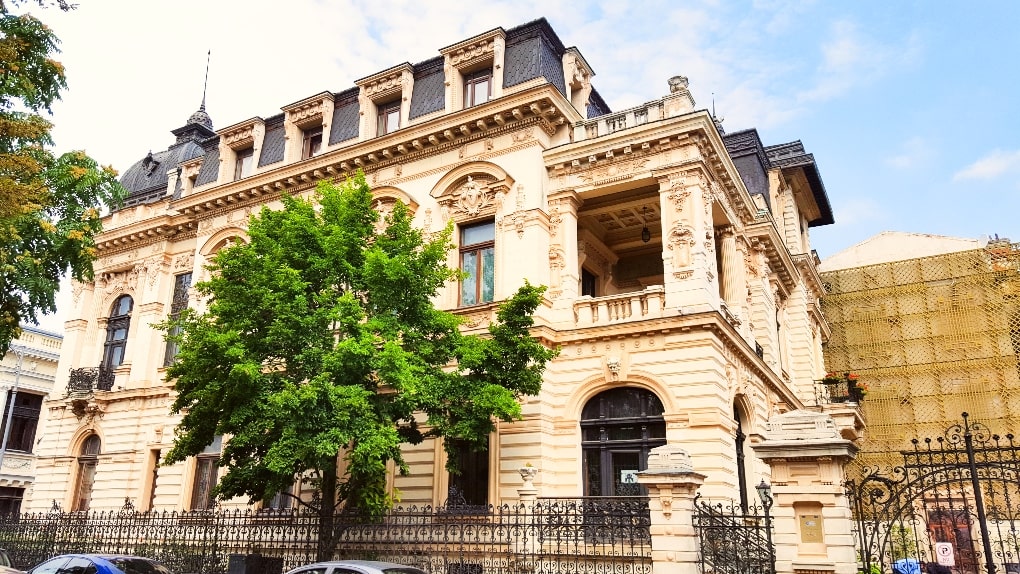
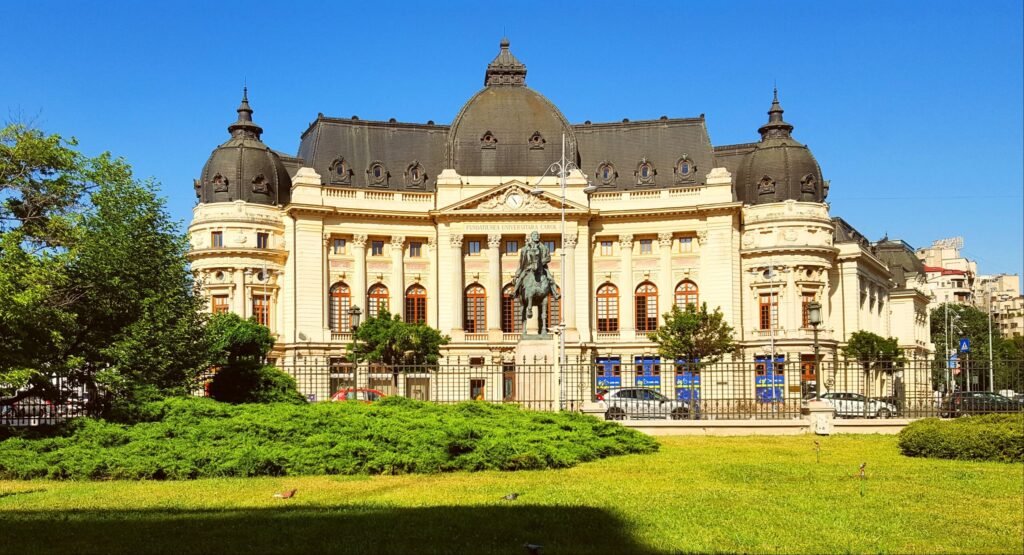
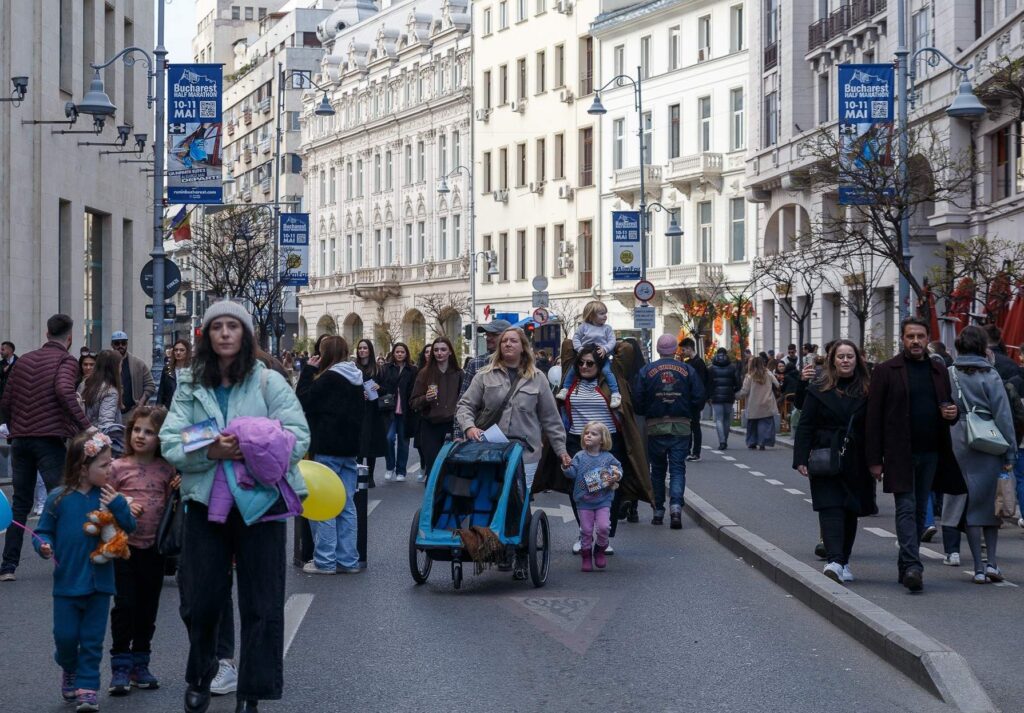
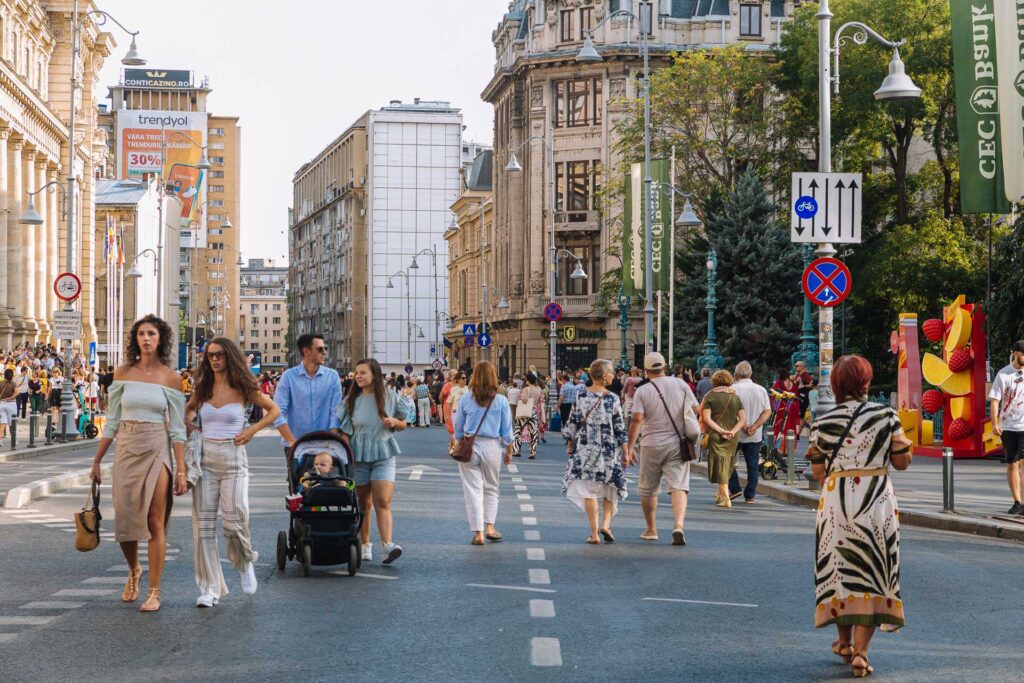
Calea Victoriei is the most elegant base for a Bucharest city break. It’s the iconic boulevard full of architecture, museums, cafés, and a premium “European capital” feel.
It’s best for couples, culture lovers, and travellers who want central but calmer than the nightlife core. If you want your weekend to feel refined and photogenic, this is the strongest choice.
Universitate and Piața Romană
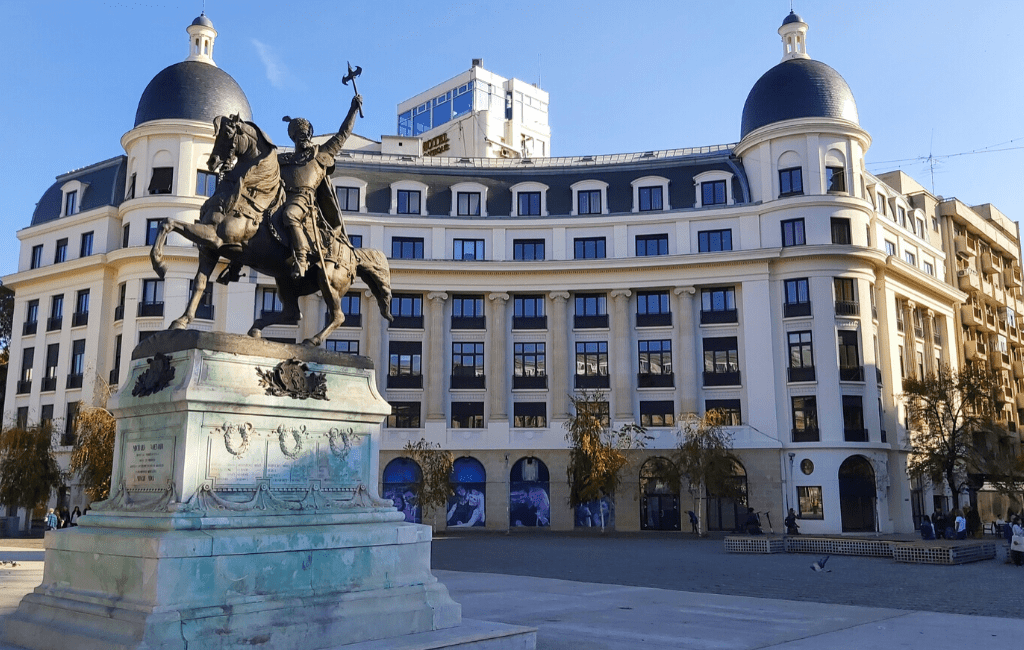
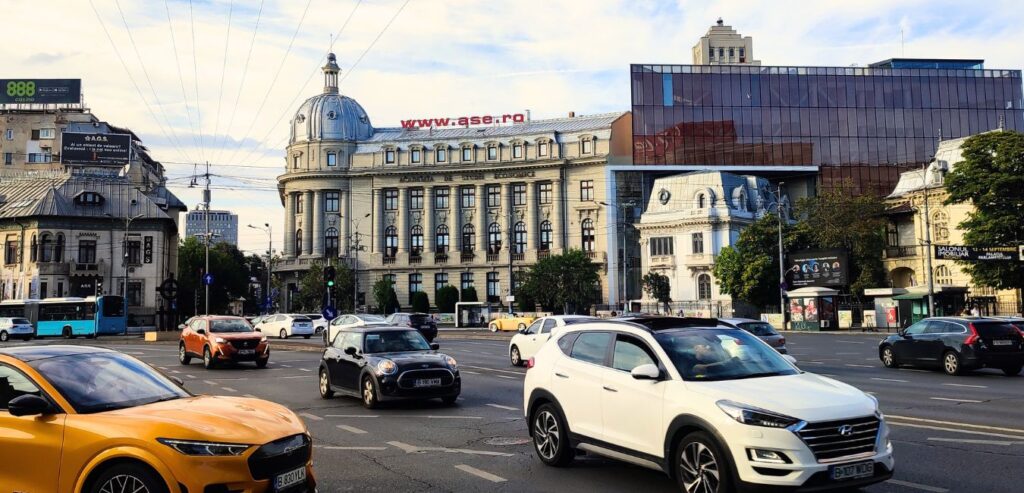
This is the most practical base for a smooth itinerary. It keeps you connected, makes moving around effortless, and fits a city break perfectly because you can reach almost everything quickly on foot or by metro.
It’s best for first-timers who want convenience and balance, with easy access to both Old Town and the Calea Victoriei area.
Dorobanți
Dorobanți feels more local and modern, with excellent restaurants and cafés and a calmer rhythm than the centre. It still works for a weekend because it’s close enough to walk or take short rides into the main areas.
It’s best for food-focused trips, repeat visitors, and travellers who want quiet comfort without feeling far away.
Find your stay in Bucharest!
The perfect 2-day Bucharest city break itinerary

Day 1: Old Town, Palace of Parliament, and your first Bucharest night

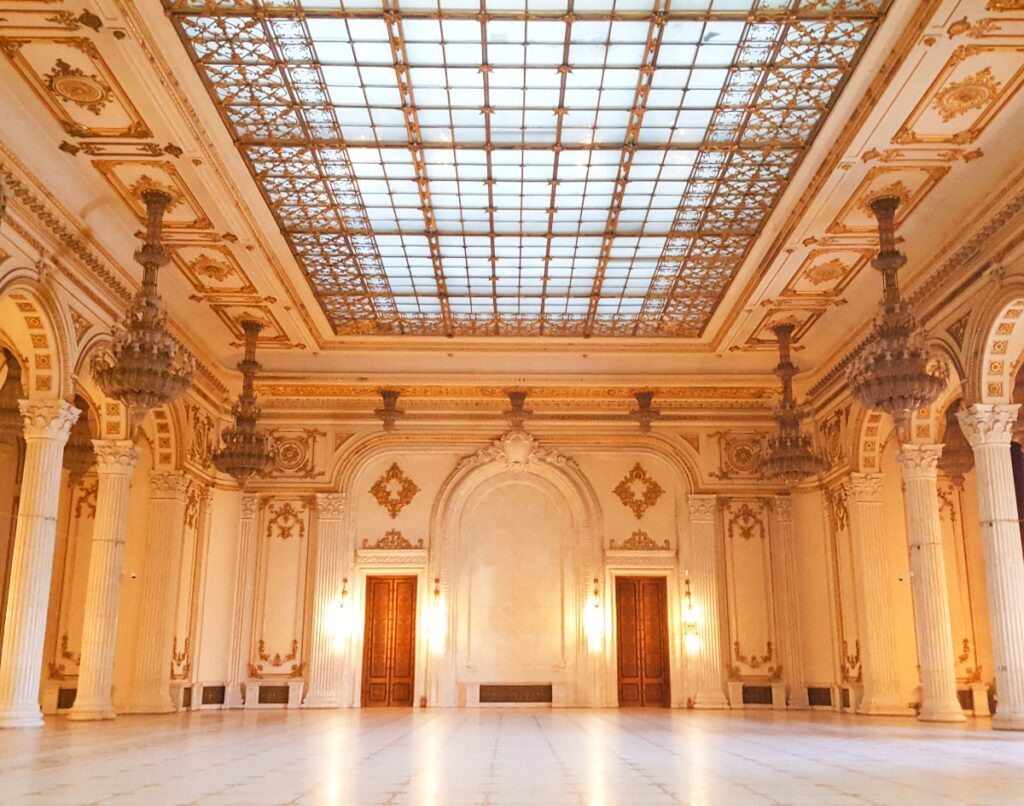
Day one works best as a simple loop around Lipscani, Universitate and the Unirii zone, then a landmark visit near the Palace of Parliament area. It gives you the city’s signature contrast in a single day.
Morning: Old Town and the historic core
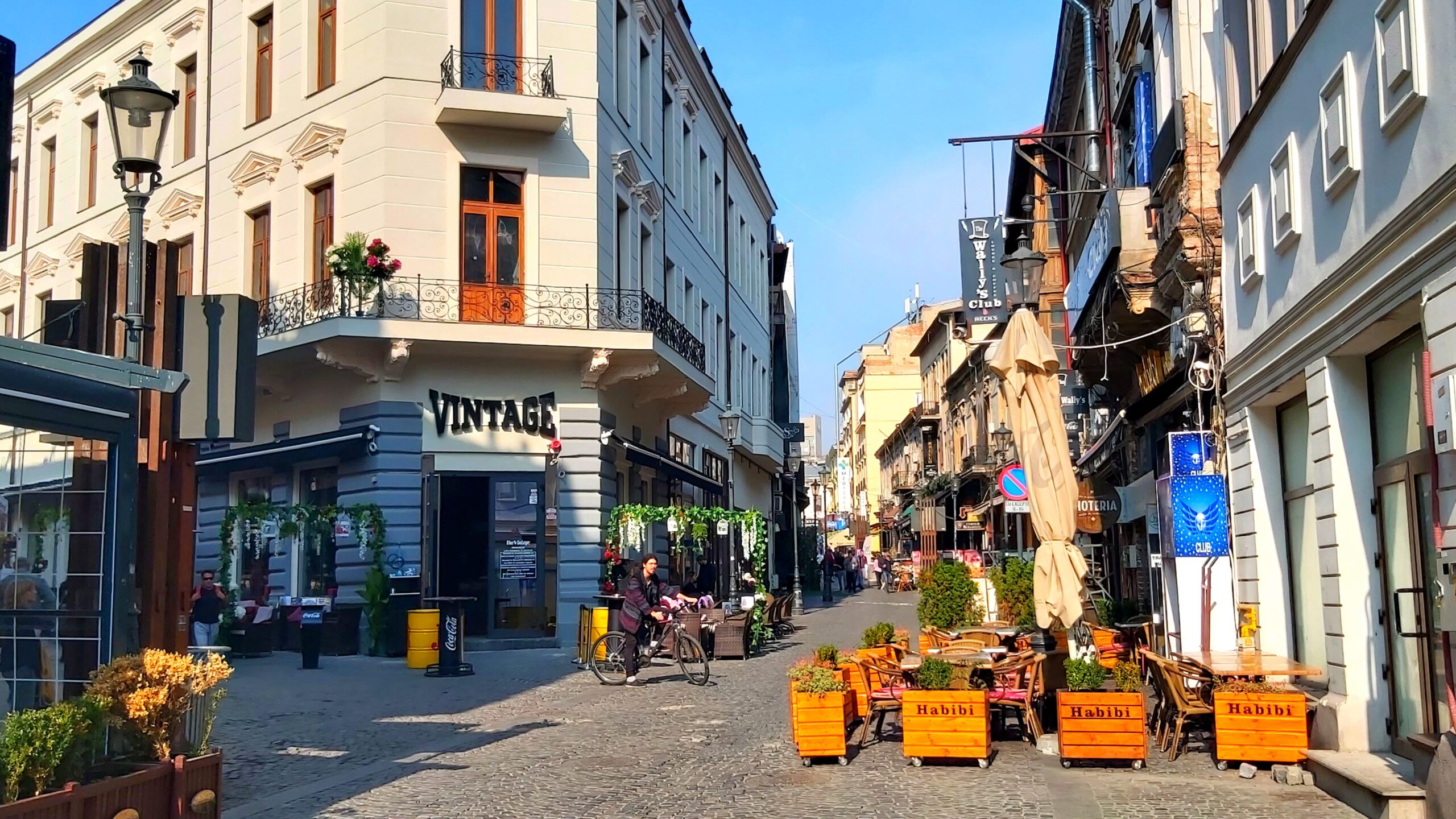
Start in the Old Town and walk slowly. This area is compact, but it’s enjoyable because it changes mood constantly: passages, courtyards, small churches, hidden corners, and streets that move between quiet elegance and lively social energy within a few steps. This is not the moment to rush or chase a checklist. The win is the atmosphere.
Afternoon: Palace of Parliament
Head toward the Palace of Parliament for Bucharest’s most iconic landmark. It’s one of the largest administrative buildings in the world and the one place that truly feels unique among European weekends. Seeing it in person gives you a strong sense of scale and history that photos can’t replicate.
Evening: dinner and the Old Town energy
Your first evening is where Bucharest often wins people over. Keep it simple and do it well. Choose a traditional Romanian dinner in a historic setting for the classic “first night in Bucharest” feeling. If you prefer something calmer, stay close to the centre but choose a place with atmosphere rather than noise. Then decide whether you want the full Old Town nightlife energy or a more refined night with cocktails and a late walk through the city lights.
Day 2: Calea Victoriei, the Athenaeum area, parks, and a more refined evening
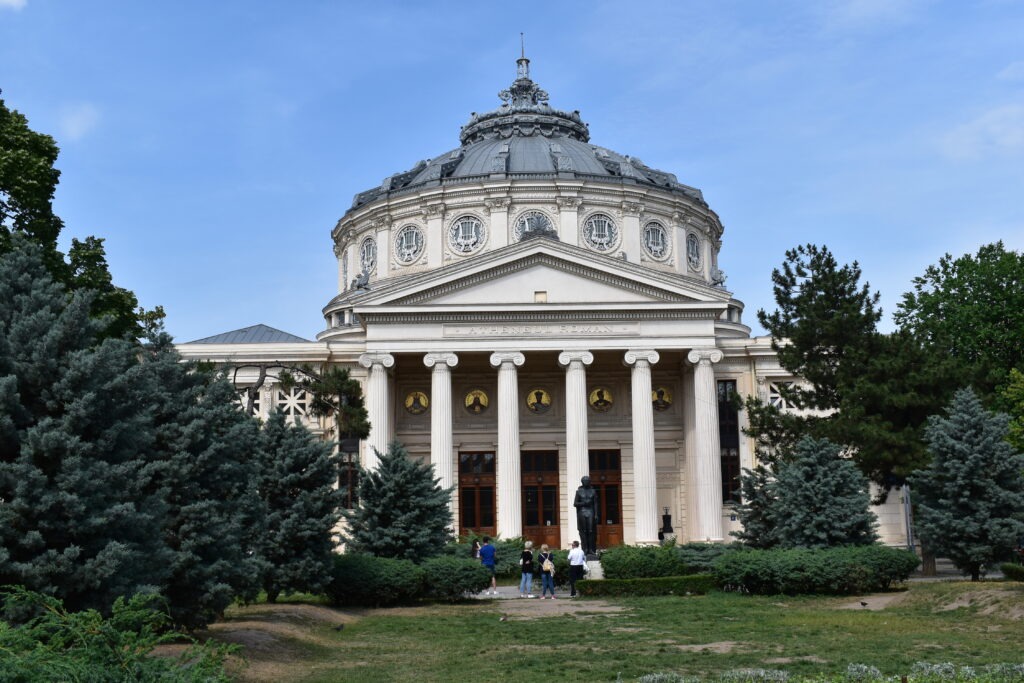
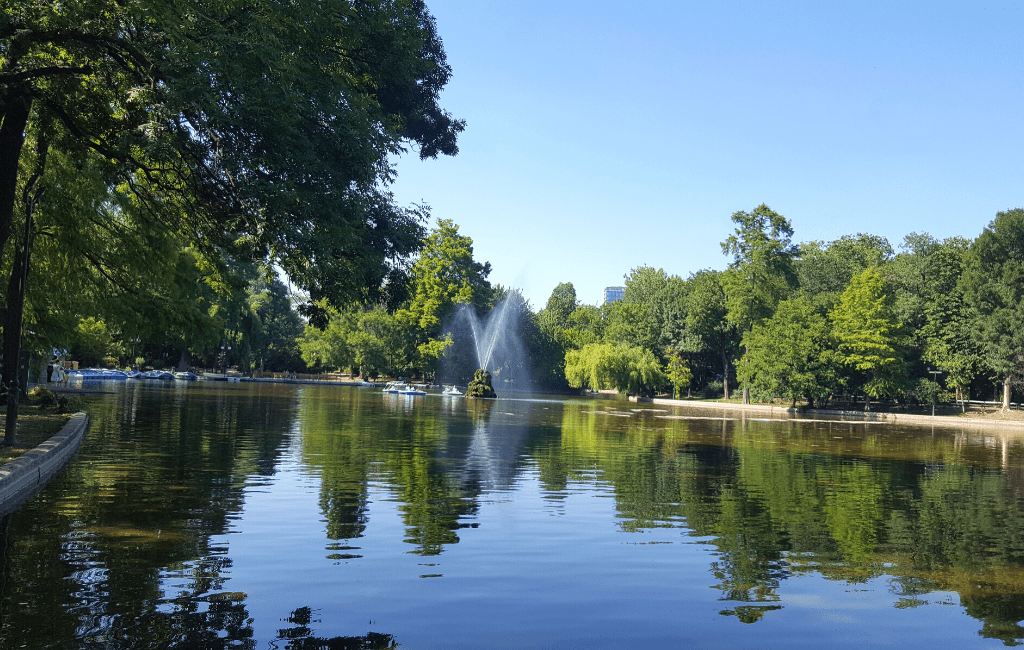
Day two is built around Calea Victoriei, Revolution Square, and the Romanian Athenaeum area, with a park reset in Cișmigiu. This is the “elegant Bucharest” day.
Morning: Calea Victoriei walk
Start with Calea Victoriei, the city’s most iconic boulevard. It’s the walk that gives Bucharest its European capital feel. Don’t rush it. Stop for coffee, look up at the buildings, and let the boulevard set the pace of the day.
Afternoon: Athenaeum and a Central Park break

Continue through the Athenaeum and Revolution Square zone, then slow down. This area is central, classic, and packed with the city’s most recognisable architecture. After lunch, go to Cișmigiu Gardens for the most satisfying “green break” right in the city centre.
Evening: upgrade the night
If day one was energetic, make day two more refined. Go for a stylish dinner in a central district where the atmosphere feels polished, then finish with a relaxed wine bar or cocktail spot. A calm after-dark walk through the central streets is one of the best city-break moments Bucharest offers.
If you have 3 days in Bucharest
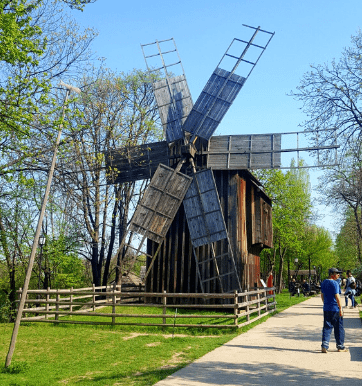
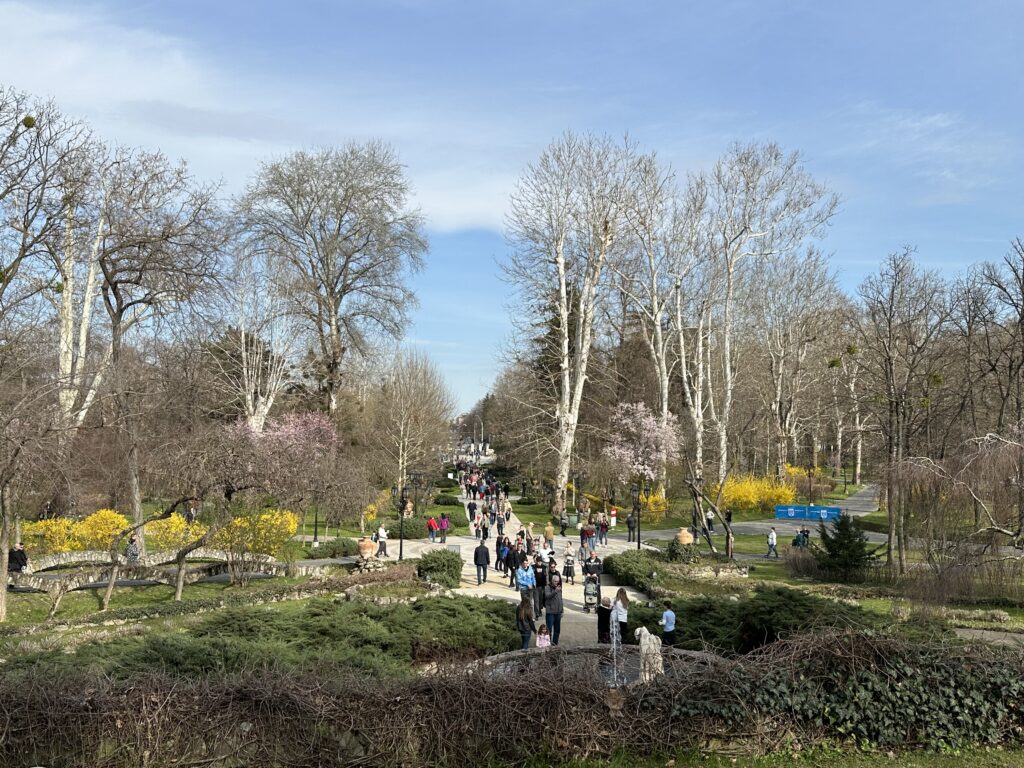
Day three is when you customise the weekend to your style. The smartest move is to add a different type of experience, not just more central walking.
If you want culture and green space, choose the Village Museum and Herăstrău Park. It’s a classic half-day that blends heritage and relaxation and works perfectly in good weather.
If you want a beautiful neighbourhood walk and a more local feel, choose Cotroceni. It’s quiet, elegant, and ideal for a slower pace with architecture and café stops.
If you want a full reset, go to Therme Bucharest. It’s one of the best “single big experiences” you can add to a weekend trip, especially in winter.
What to eat in Bucharest





Food is part of the Bucharest city break experience, not a side detail. The best strategy is simple: one iconic Romanian meal, one modern dinner, and at least one strong café stop.
For traditional Romanian flavours, try sarmale for something rich and classic, ciorbă for the local comfort-food ritual, mici for a true Romanian staple, and papanași for the dessert people remember long after the trip ends.
Then balance it with a modern, urban meal that feels current: lighter dishes, good drinks, and a relaxed weekend mood. Bucharest does this extremely well, and it’s one of the reasons the city break feels modern rather than purely historical.
How much does a Bucharest city break cost?
Bucharest is one of the best-value European capital city breaks. You can do a high-quality weekend without spending “big city money”.
A realistic budget for food and drinks in central Bucharest looks like this. Lunch is often around €12–€18 per person for a comfortable meal. A good dinner with drinks usually costs around €24–€39 per person. If you go premium, dinner can reach €49–€69 per person, depending on choices.
Coffee is typically €2.5–€3.5, while cocktails in central spots often sit around €7–€11.
For attractions, a Palace of Parliament tour is usually around €8, and Therme Bucharest commonly starts around €20–€30, depending on timing and access.
Budget weekend (2 days, per person): €180–€280 including a central hotel share, meals, coffee, a few rides, and 1–2 attractions.
Comfort weekend (2 days, per person): €320–€520 with a better central hotel, two good dinners, cocktails, more ride-hailing, and 2–3 paid attractions.
Best day trips from Bucharest (if you extend your weekend)
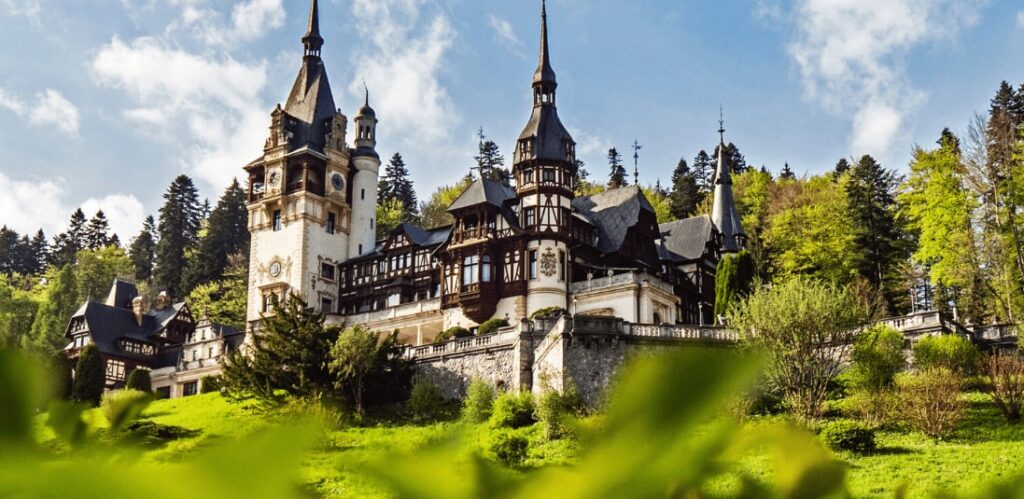
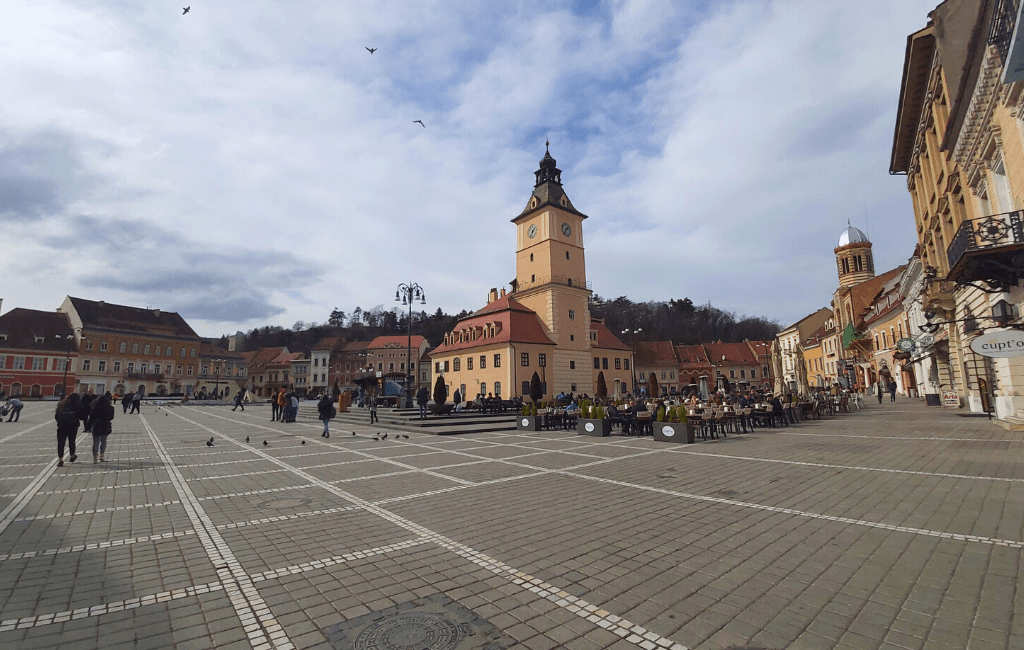
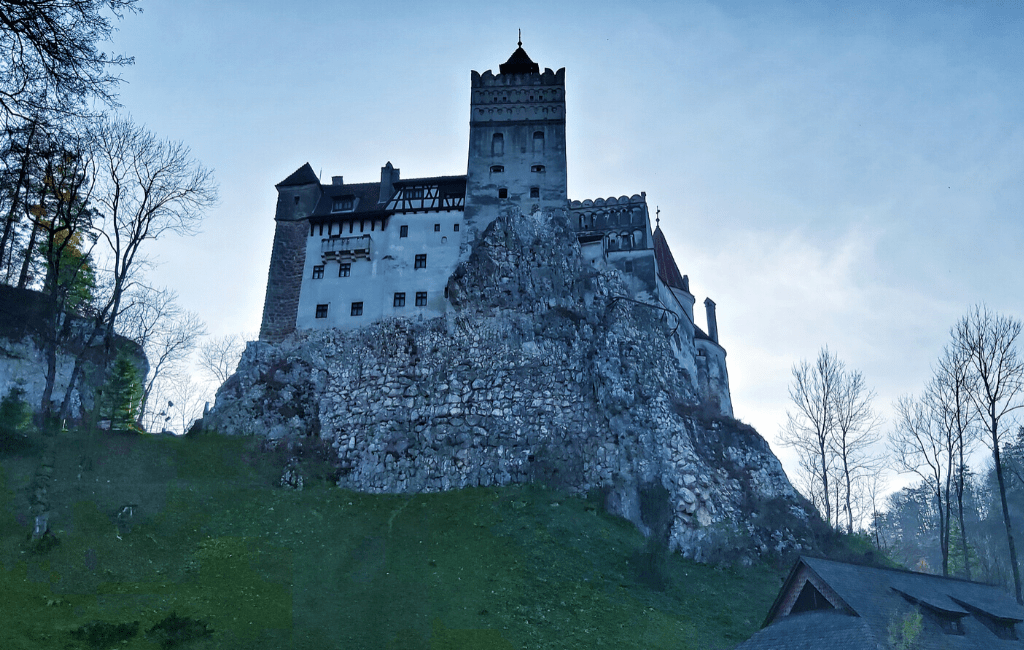
If you have an extra day and want a “Romania highlight”, the most common direction in a day trip is toward castles and mountain towns.
Sinaia is the classic choice, often paired with Brașov. Bran is usually added if you specifically want the Dracula legend route, but it works best as part of a full day plan rather than something squeezed into a short weekend.
If your trip is strictly 48 hours, skip day trips. Bucharest itself becomes far more satisfying when you stay in tune with the city’s rhythm.
Is Bucharest safe for tourists?
For most visitors, Bucharest feels safe and easy to navigate, especially in the central areas where tourists spend their time.
The normal big-city rules apply: keep an eye on belongings in crowded places, avoid isolated side streets late at night if you’re alone, and use trusted transport options. If you stay central and move with common sense, Bucharest is a comfortable city break destination.
Common mistakes to avoid on a Bucharest weekend
One common mistake is trying to see everything in 48 hours. Bucharest is better when you leave time for walking, cafés, and atmosphere.
Another is staying too far from the centre. A city break works when you can walk back to your accommodation easily and keep the day flexible.
Many visitors overload museums. The better move is to pick one strong cultural stop and keep the rest of the day for city rhythm.
Finally, don’t treat the Old Town as only nightlife. It’s worth visiting during the day as well, when it feels architectural, calmer, and genuinely enjoyable to explore.
Bucharest city break FAQs
Is Bucharest worth visiting for a weekend?
Yes. It’s one of the best-value weekend destinations in Europe, with strong architecture, parks, food, and nightlife in a compact central area.
How many days in Bucharest is enough?
Two days is enough for the essentials. Three days is ideal if you want museums, the Therme, or a slower pace.
Can you do Bucharest in one day?
You can see the Old Town and one major landmark in one day, but it will feel rushed. A 2-day city break is the sweet spot.
What is the best area to stay in Bucharest?
For first-time visitors, the best areas are Old Town (Lipscani), Calea Victoriei, Universitate, and Piața Romană because they are central, walkable, and practical for a short city break.
Is the Old Town safe at night?
Yes, it’s generally safe and very busy. The normal big-city rules apply, especially in crowded nightlife areas.
Is Bucharest good for couples?
Yes. Calea Victoriei walks, elegant dining, parks, and a strong evening atmosphere make it a great couples’ city break.
Is Bucharest worth visiting in winter?
Yes. Winter is ideal for museums, cosy cafés, Therme Bucharest, and an atmospheric evening city vibe.
How do you pay in Bucharest: cash or card?
Card payments are common in the centre, but carrying a small amount of cash is useful for small purchases.
Do museums and attractions close on Monday?
Some museums and attractions have limited hours or may close on specific days. Check schedules if museums are a priority for your itinerary.
Do you need a tour for the Palace of Parliament?
Yes, visits are typically guided, and it’s a good idea to plan it in advance if you travel on a weekend.
Is Therme Bucharest worth it for a weekend trip?
Yes. It’s one of the best “single big experiences” you can add, especially if you want a reset during a short trip.
Should you do a day trip from Bucharest?
Only if you have at least three days. If your trip is strictly two days, focusing on Bucharest usually gives a better experience.